Effective Fixed Ops Advertising Tactics to Drive Results

Effective Fixed Ops Advertising Tactics to Drive Results

Is your dealership missing out on thousands of dollars? Many focus on selling cars, but service departments are key to success. They keep the dealership stable.

Service, parts, and body shops bring in a lot of money. They help when new car sales slow down. They keep cash coming in, even when fewer people visit the showroom.

The service market is getting tougher. Independent shops are competing hard. They offer great deals and easy scheduling. Without good marketing, your dealership might lose customers.

This guide will show you how to make service departments profitable. We’ll talk about ways to get more appointments, sell more parts, and keep customers coming back. We’ll also show how to get the most from your marketing.

Key Takeaways

  • Service departments typically generate 49% of a dealership’s gross profits while requiring less marketing investment
  • Strategic service marketing helps maintain revenue stability during vehicle sales fluctuations
  • Effective advertising can significantly increase service appointment show rates
  • Digital marketing provides measurable ROI for fixed operations
  • Customer retention through service departments leads to future vehicle purchases
  • Targeted campaigns for maintenance services create predictable revenue streams

The Critical Role of Fixed Ops in Dealership Profitability

While new car sales get all the attention, fixed operations quietly keep dealerships afloat. Service bays and parts counters have become key profit makers. They’re more important than ever as dealers face ups and downs in new car stock and changing customer habits.

Fixed ops includes service, parts, and body shops. These areas now make up over 50% of a dealership’s profit. They need less money to run than selling new cars. This makes good fixed ops ads a must for dealers to boost their bottom line.

Even when people aren’t buying new cars, they need service and repairs. By focusing on fixed ops, dealers can keep customers coming back. This builds strong relationships that can lead to future car sales.

Current Fixed Ops Revenue Trends in the Automotive Industry

The car industry has seen a big shift in where money comes from. Fixed ops are now key to keeping profits steady when sales are slow. This is even more true during times when there’s not enough new cars to sell.

Dealerships that market their fixed ops well do better financially. They’re spending more of their marketing budget on these areas. This shows they know how valuable they are.
Things like online scheduling, longer hours, and clear prices have helped boost fixed ops income. Dealers who use these tools and good marketing are taking more of the service market away from independent shops.

Why Service and Parts Departments Are Profit Centers

Service departments bring in steady money through maintenance, warranty work, and repairs. They’ve become essential for a dealership’s financial health. With the right marketing and focus on customer experience, they can keep customers coming back.

Parts marketing has also gotten better, with dealers promoting OEM parts. Parts departments make money from wholesale, over-the-counter sales, and service department use. The trend of customizing cars has also opened up new profit areas through accessories.

Fixed ops offer more than just service and parts sales. Good marketing in this area can also build brand loyalty and get more referrals. By investing in fixed ops marketing, dealerships can grow even when new car sales are up and down.

Understanding Your Fixed Ops Customer Base

To boost your fixed ops revenue, you need to know your service customers well. Without this knowledge, even the best ads won’t work as well. Dealerships that study their customers before promoting get better results and more return on investment.

Every service customer is unique. Some are loyal and follow maintenance schedules closely. Others visit only when they need a big repair. Knowing these differences helps you create messages that really speak to each group.

The best fixed ops teams don’t use the same marketing for everyone. They use smart tactics that meet each customer’s needs. This approach builds strong relationships and encourages customers to come back.

By studying your customers before you start promoting, you can find groups that respond well to different messages. This knowledge is key to creating promotions that really work for your fixed ops department.
Segmenting Service Customers by Value and Frequency

Not all customers are equal when it comes to your profits. It’s smart to sort your customers into groups based on how much they spend and how often they visit. This way, you can focus your marketing where it will do the most good.
High-value, frequent customers are your best customers. They trust you and follow maintenance schedules. They deserve special attention, like personalized messages and perks.

Customers who spend a lot but don’t visit often are a big chance for growth. They might own many cars or expensive ones. By highlighting convenience and premium service, you can get them to visit more.

Customers who don’t visit often but are price-conscious respond well to deals or educational content. By understanding these groups, you can send messages that really speak to them.

Identifying Opportunities in Your Customer Database

Your customer database holds secrets to making more money. The trick is knowing where to look and what to look for. We’ve helped dealerships find big profits by using their data better.

Regularly checking your database is key to good fixed ops marketing. Look for cars that need big services soon, households with many cars, or luxury car owners who haven’t used your premium services.

Leveraging DMS Data for Targeted Marketing

Your Dealership Management System (DMS) is full of useful information for better marketing. Make it a habit to check this data regularly to find marketing chances.

Start by making reports that show when cars need maintenance. This lets you send timely messages before they look elsewhere. Your DMS can also show who hasn’t visited in a while or who turned down service before.

This info helps you send messages that really meet customers’ needs. For example, a customer who didn’t get brakes might like safety tips, while someone with an old battery might want a seasonal check-up.

Recapturing Lost Customers Through Strategic Outreach

Every dealership loses customers, but the best ones get them back. We’ve seen that many customers leave because they weren’t kept in the loop.

Find customers who haven’t been in for 12-18 months and reach out to them. Your promotions should highlight what makes you better than others, like trained techs and OEM parts.

Offer a “welcome back” deal to win them back. This could be a free inspection, better prices, or easy services like loaner cars. By doing this, you’ll keep your customers happy and coming back.

By using these strategies, you’ll make your marketing more effective and build stronger customer relationships. This will make your fixed ops department more profitable and help your dealership succeed.

Proven Fixed Ops Advertising Strategies That Deliver Results

Successful dealerships use special fixed ops ads that meet customer needs and show off their service benefits. We’ve worked with hundreds of dealerships and found key strategies that boost service and parts sales. These tactics tackle customer pain points and set your dealership apart.

Your service drive is a key moment to connect with customers after they buy a car. It can either strengthen your bond or lead them to look elsewhere. The right ads ensure you get the most from each customer.

The best campaigns mix clear messages with the right timing and channels. Let’s look at the tactics that work well for service and parts.

Service-Specific Messaging That Resonates

Generic ads don’t usually get results. Today’s buyers want messages that speak to their car needs and worries. When promoting service, focus on what makes your dealership special—like factory-trained techs and certified service.

Creating Urgency Without Sacrificing Trust

Good service ads create a sense of urgency. But fake deadlines or claims can hurt trust. Instead, use real concerns like seasonal maintenance, recommended service times, and special deals from the manufacturer.

  • Seasonal maintenance needs (winter preparation, summer cooling system checks)
  • Manufacturer-recommended service intervals
  • Limited-time manufacturer-backed service specials
  • Genuine safety concerns that require prompt attention

This way, you get more appointments without losing your reputation for honesty. Using digital vehicle inspections can also build trust by showing service recommendations.

Educational Content That Drives Service Visits

Content that teaches about car care is very effective. It makes your dealership a trusted advisor, not just a service provider.

This content should explain why regular maintenance is important, show the risks of neglect, and highlight your techs’ skills. Content that talks about the cost savings of maintenance, warning signs for big repairs, and the tech and training of your service team works well.

  • The long-term cost savings of preventative maintenance
  • Warning signs that indicate possible major repairs
  • The technology and training that sets dealership service apart

Parts Department Promotion Tactics

While service gets most of the marketing, smart parts promotion can really boost profits. Effective parts marketing means knowing your customers and what they want to buy.

Accessory Marketing to New Vehicle Buyers

The time right after buying a car is the best for selling accessories. New owners are most open to making their car their own during this time. A good accessory marketing plan includes:

  • Digital accessory catalogs tailored to the customer’s car
  • Follow-up messages about popular accessories for their model
  • Accessory packages with installation included
  • Financing options that let customers include accessories in their car loan

OEM Parts Advantages in Advertising

When facing aftermarket options, highlight what OEM parts offer. These benefits should be central to your parts marketing. They create a strong difference in your ads.

OEM Parts Advantage Customer Benefit Effective Marketing Approach Competitive Edge
Perfect Fit Guarantee No modification needed, preserves vehicle integrity Side-by-side comparison videos Eliminates installation headaches
Manufacturer Warranty Protection against defects, often longer than aftermarket Warranty comparison charts Peace of mind for critical components
Factory Testing Meets or exceeds original specifications Testing process explanations Consistent quality and performance
Vehicle Resale Value Maintains documentation of proper maintenance Future value protection messaging Long-term investment protection

These fixed ops strategies lay a solid base for growing your service and parts departments. By using targeted ads that meet customer needs and show your dealership’s strengths, you’ll see immediate and lasting results.

Digital Marketing Channels for Fixed Operations

Dealerships can greatly improve their fixed operations with digital marketing. They often focus on selling cars, but online platforms can also boost service department visibility and profits. A well-planned digital strategy for fixed ops helps reach customers when they need automotive services.

Search Engine Marketing for Service Departments

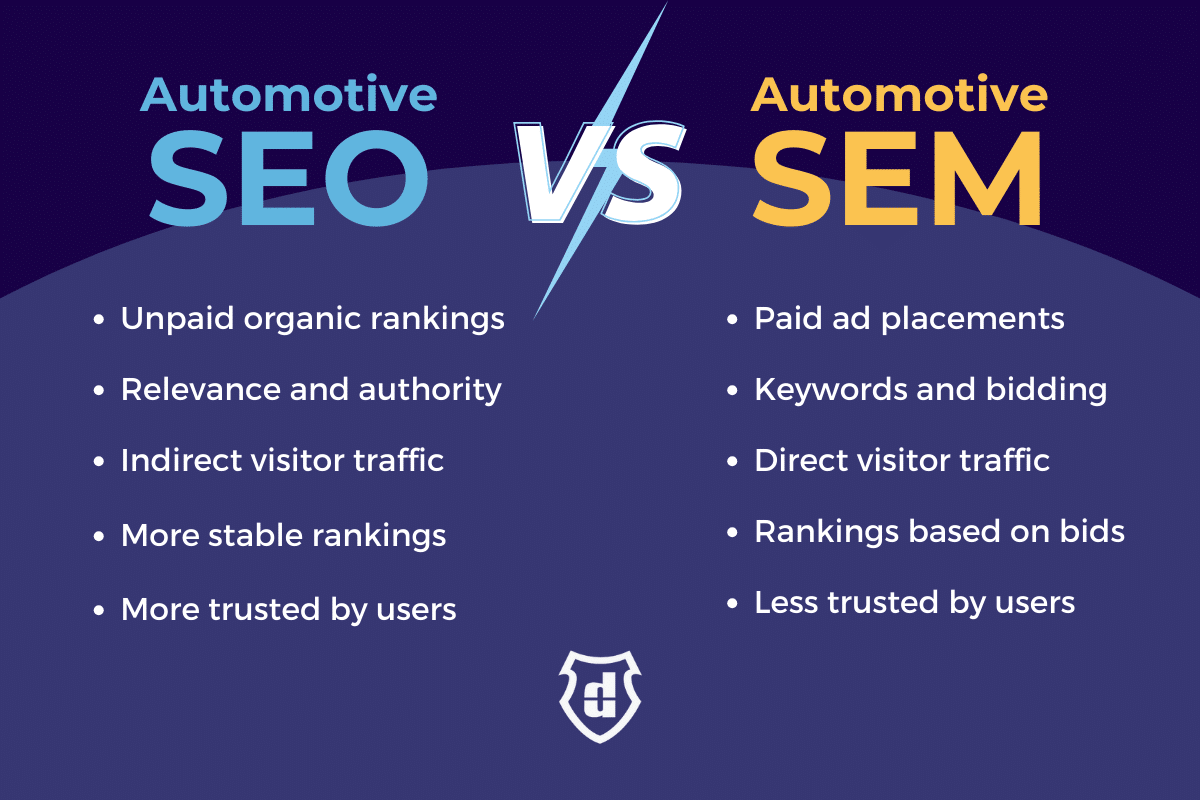
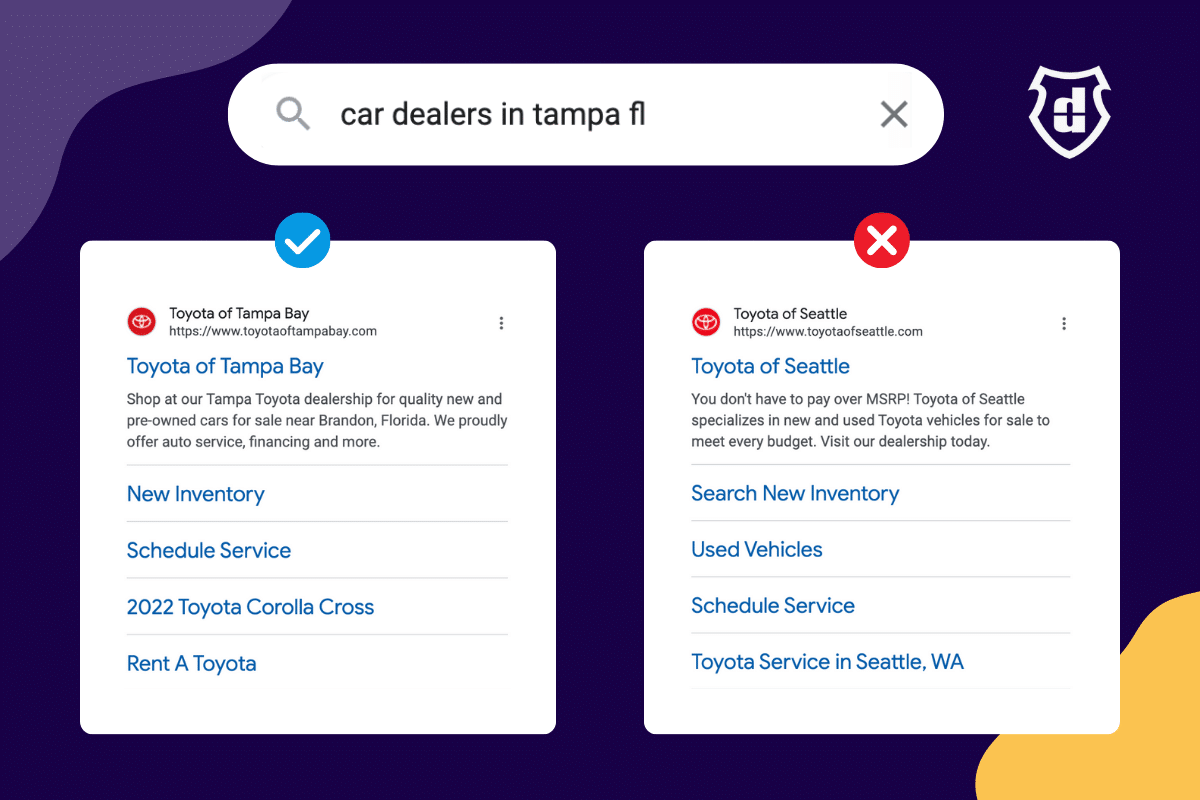
70% of people look online before getting car service. This makes search engine marketing (SEM) key for service departments. It’s important to use keywords like your dealership name and service terms, as well as general searches like “oil change near me.”

SEM ads should highlight what makes your service unique. This could be certified technicians, quick service options, or low prices. Make sure to include easy ways to book appointments.

Local search optimization is also vital. A complete Google Business Profile with accurate info and good reviews helps when people search for local services.

Social Media Campaigns That Drive Service Appointments

Social media is great for service marketing, thanks to its visual nature. Videos of technicians explaining repairs or time-lapse of repairs can build trust. They help overcome doubts people have about car repairs.

Testimonials on Facebook and Instagram are very effective. They make your service department seem more human and trustworthy. They help sway people’s decisions to get service.

Targeted ads on social media for seasonal services can be very effective. Ads for winter prep or summer road trip tips grab attention when people are already thinking about service. This can lead to more bookings and appointments.

Email Marketing Automation for Service Reminders

Email marketing is great for sending service reminders and maintenance notifications. A sophisticated email program tied to your DMS can send emails at the right time. This could be based on mileage, seasonal needs, or time passed.

Personalized emails can boost open rates by up to 29%. Using the customer’s name and vehicle info in the subject line helps. Emails that mention specific maintenance needs based on the vehicle’s history show you care.

Setting up an automated email sequence is a good idea. It should include reminders before service, confirmations on the day of, and follow-ups after. This keeps your service department in mind when customers need maintenance.

Traditional Advertising Methods That Stil Work for Fixed Ops

Even with the rise of digital marketing, traditional ads are key for fixed operations. They offer unique benefits that enhance your online efforts. These methods help reach customers you might miss online.

By mixing old-school tactics with your digital plan, you can get great results. This balance ensures your service stands out and meets customer needs.

Direct Mail Campaigns with Measurable Results

Direct mail campaigns are a hit for service marketing. They leave a lasting mark that digital ads can’t match. Older customers, in particular, prefer something they can hold onto.

The best direct mail campaigns target specific groups. Instead of sending generic mail, focus on:

  • Vehicles nearing big service milestones
  • Customers who haven’t visited in 6+ months
  • Owners of models with known technical service bulletins
  • Recent buyers due for their first service

Make it personal to boost response rates. Use the customer’s name, vehicle info, and service tips. Include tracking tools like QR codes to measure success.

Local Media Partnerships for Service Promotions

Local media partnerships are another strong tool for service marketing. They make your dealership a trusted local name. They also reach people through channels they already use.

Radio ads during peak hours connect with listeners when they think about their cars. Sponsor traffic reports with service tips to show your expertise.

Community papers and magazines target specific areas. Their readers often support local businesses. Many now have digital parts, expanding your reach.

Traditional Channel Best Use Case Typical Response Rate Tracking Method
Direct Mail Service reminders, major maintenance milestones 1-3% Unique offer codes, QR codes
Radio Seasonal service promotions, brand awareness Varies by market Dedicated phone numbers, special mentions
Local Newspapers Community-focused promotions, coupons 0.5-2% Coupon redemption, URL tracking
Television Weather-related maintenance, seasonal services Difficult to measure directly Unique landing pages, call tracking

Television ads, though pricier, can be worth it. Partner with weather segments to talk about seasonal car care. This connects your service to timely needs.

Implementing Effective Fixed Ops Advertising Strategies

To boost fixed ops revenue, you need more than just occasional ads. A solid strategy is essential. It turns service and parts into steady profit makers. This involves careful planning, smart budget use, and a year-round presence.

Starting with a solid understanding is key. Fixed ops ads are an ongoing effort, not a one-time thing. Top dealerships plan their service marketing just like they do for vehicle sales.

Your marketing should run smoothly, like your service department. Each campaign needs clear goals, the right resources, and measurable results. This ensures you get the most from every ad dollar.

Budget Allocation Across Marketing Channels

Deciding how to spend your ad budget is a balancing act. You should mix digital and traditional channels, focusing on what works best. Start with a 60/40 split for digital and traditional, then adjust based on results.

Digital ads often have a higher ROI because they’re targeted and measurable. Search ads catch people looking for services, social media builds awareness, and email keeps customers engaged at low cost.

But traditional ads are important too, for reaching older, loyal customers. Direct mail is great for reminders and seasonal offers when targeted right.

Marketing Channel Recommended Budget % Best For Key Performance Metrics
Paid Search 20-25% Capturing active service seekers Cost per appointment, conversion rate
Email Marketing 15-20% Customer retention, service reminders Open rate, appointment bookings
Social Media 10-15% Awareness, special promotions Engagement, click-through rate
Direct Mail 15-20% Targeted promotions, lapsed customers Response rate, ROI
Local Media 10-15% Brand awareness, seasonal campaigns Traffic increase, promotion redemptions

Creating a Year-Round Fixed Ops Marketing Calendar

A detailed marketing calendar keeps your message consistent and promotions flowing. It helps plan resources well and keeps service customers coming all year.

Plan campaigns and promotions for each month, considering seasons, manufacturer programs, and local events. Quarterly planning with monthly checks keeps things flexible yet consistent.

Aligning Campaigns with Seasonal Service Needs

Seasonal needs offer great chances for targeted promotions. Winter is for battery checks and tire inspections. Spring is for alignment and air conditioning service. Summer focuses on cooling systems and brakes, while fall is for winter prep.

Anticipate these needs to create compelling offers. For example, a “Spring Road Recovery” campaign might include alignment, suspension checks, and tire rotation. These services are needed after winter’s damage.

Coordinating with OEM Promotions and Initiatives

Manufacturer programs can stretch your marketing budget with co-op funding and national ads. Seasonal service campaigns from OEMs can be reinforced by your local messaging. This creates a unified experience from national ads to your service drive.

Assign someone to track OEM initiatives and add them to your calendar. This ensures you use all available support while keeping your message consistent across all touchpoints.

By using these strategies all year, you’ll create a marketing machine that drives service appointments and sales. The key is to balance planning with flexibility to adjust based on data and market changes.

Leveraging Customer Retention Tactics in Fixed Ops Advertising

Smart dealerships know that keeping current customers is cheaper than finding new ones. Customer retention is the best marketing investment for fixed ops. When customers feel valued and get great service, they come back for more.

Understanding what customers value is key. Dealerships that save customers’ time offer a better experience. Keeping customers updated on their service is also important.

Strategic retention can turn occasional visitors into loyal customers. These customers not only come back but also recommend your service. Let’s look at how to build strong service relationships.

Service Loyalty Programs That Keep Customers Coming Back

Loyalty programs offer great incentives for customers to stay with your dealership. The best programs give points for service and offer special rewards for loyal customers.

Think about a program that gives points for every dollar spent on service. Bonus points for maintenance or keeping up with service schedules. These points can be used for discounts on future services.

Higher-tier members get extra perks like priority service and free car washes. This makes them feel special and encourages them to come back more often.

Successful programs also reward customers for bringing in new business. This creates a strong word-of-mouth marketing that grows your customer base.

Post-Service Communication Strategies

Communication after a service visit is just as important as during. It shows the value you’ve provided and encourages future visits.

Follow-up messages should be timely, relevant, and valuable. The right message at the right time can boost customer retention and value.

Automated Thank You and Review Requests

Send thank you emails or texts within 24 hours of service. These messages show you appreciate their business and highlight the value of your service.

Include links to review platforms to make it easy for happy customers to share their experiences. Timing is key—when the service is fresh in their minds.

Personalize these messages with details about the service and the advisor. This shows you care and appreciate their business.

Value-Added Follow-Up Content

Send more than just thank you messages. Share useful information to show you’re a helpful resource, not just a service provider.

Send seasonal maintenance tips, vehicle care guides, or videos about maintenance. This helps customers understand their vehicles and shows your expertise.

Send maintenance reminders at the right time. This shows you’re proactive and helps schedule service visits.

By using these retention tactics, you’ll strengthen your service customer relationships. Loyalty programs and post-service communication are key to consistent revenue from fixed ops.

Conquest Marketing to Attract New Service Customers

In today’s competitive automotive service world, using conquest marketing is key to bring in new customers. While keeping current customers happy is important, getting new ones is vital for growth. Dealerships that focus on both do better than those who only keep their current customers.

Conquest marketing is different from keeping current customers. You’re asking people to switch from their usual service provider. Your message needs to be strong enough to make them choose you over their current service.

Targeting Competitors’ Customers Effectively

To target competitors’ customers well, you need to know what bothers them. They might be unhappy with scheduling, long wait times, high prices, or poor communication.

Your marketing should highlight how you solve these problems. If scheduling is a pain, talk about your online booking and longer hours. If they want more transparency, show off your digital inspection process.

Using location-based marketing is also smart. Aim your promotions at areas near your competitors. You can do this with:

  • Geofenced mobile ads for people who visit competitors
  • Direct mail to homes near competing service centers
  • Local ads that highlight your service benefits

Special Offers for First-Time Service Visitors

Creating great offers for first-time visitors is key. These offers should be big enough to make them switch but also good for your business. You want to keep them coming back, not just once.

Good first-time offers include:

  • Discounted multi-point inspections
  • Free diagnostic services with any repair
  • Price-matching for common maintenance
  • Service packages that offer more value

A South Texas dealership showed how conquest marketing and service improvements can work together. They changed their pricing and how they interact with customers. This led to a 17.7% increase in customer pay dollars per repair order. It attracted new customers and made each visit more valuable.

Conquest Strategy Target Audience Key Benefit Implementation Difficulty
Geofenced Mobile Ads Customers visiting competitor locations Highly targeted timing Moderate
First-Time Service Discounts Price-sensitive service shoppers Clear financial incentive Easy
Convenience-Focused Messaging Time-constrained professionals Addresses major pain point Easy
Competitor Price Matching Value-conscious comparison shoppers Removes price objection Moderate

Once you get conquest customers, make sure to welcome them well. A good first experience can make them come back. Explain your service process clearly and thank them for choosing you.

By using conquest marketing and making a great first impression, you can turn competitors’ customers into yours. This not only grows your customer base but also makes your service department more profitable.

Seasonal and Targeted Fixed Ops Promotions

Smart dealerships know that matching service promotions with seasonal needs boosts customer response. When your marketing hits a customer’s immediate concern, they’re more likely to act. Targeted promotions offer timely, relevant messages that drive action and increase revenue.

Understanding both seasonal maintenance needs and vehicle-specific requirements is key. This approach makes promotions feel personal and urgent, unlike generic ads that get ignored.

Calendar-Based Service Marketing Opportunities

Seasonal changes offer perfect times for service promotions that meet customer needs. Winter campaigns focus on battery tests, coolant checks, and tire inspections. These address real concerns about cold-weather reliability, leading to strong responses.

Spring campaigns highlight air conditioning service, alignment checks, and wiper replacements. Summer promotions focus on cooling system service, brake inspections, and fluid checks. Fall campaigns cover heating system checks, battery testing, and tire evaluations.

We suggest planning these promotions annually but updating them each year. This keeps your marketing fresh and relevant, driving results.

Vehicle-Specific Maintenance Campaigns

Seasonal promotions are broad, but vehicle-specific campaigns target owners based on their model, mileage, or service needs. These campaigns show your dealership’s expertise and meet specific customer needs.

Develop campaigns around model-specific maintenance milestones, like timing belt replacements. Technical service bulletins also offer opportunities for targeted outreach. These messages improve response rates over generic promotions.

To boost customer experience, offer convenience like valet services. Remote pickup and delivery are popular for high satisfaction scores. Make sure your team clearly communicates turnaround times to avoid confusion.

Online scheduling and streamlined paperwork enhance your vehicle-specific promotions. Combining seasonal awareness, vehicle-specific relevance, and convenience options makes your marketing compelling. This encourages customers to choose your dealership for their needs.

Measuring and Optimizing Your Fixed Ops Advertising ROI

To make your fixed ops advertising profitable, you need to measure and optimize it well. Without tracking, you’re spending money without knowing what works. Dealerships with good tracking systems see 15-20% more return on their ads.

Good measurement isn’t just about collecting data. It’s about getting the right data that affects your profits. By setting clear goals for your service departments, you can spend your marketing budget wisely.

Let’s look at the important KPIs for service marketing. You can use this info to keep improving your ads.

Key Performance Indicators for Service Marketing

Dealerships often track basic metrics like website visits or ad views. But, for effective fixed ops marketing, you need more detailed KPIs. Focus on metrics that show how your marketing leads to more money.

The best KPIs for service marketing are appointment completion rates, average repair order value, customer retention, and parts sell-through rates. These metrics show how your digital marketing turns into real revenue for your fixed ops.

Appointment Show Rates and Conversion Metrics

Appointment show rates are key to linking marketing success to service operations. If customers don’t show up, you lose money and waste time.

Track show rates for different marketing channels. This helps you see which channels are most reliable. For example, if email campaigns have an 85% show rate and paid search has 65%, you know where to focus.

Conversion metrics should track the whole customer journey. This includes online scheduling, upselling by service advisors, and approved recommendations. These metrics help find where your sales funnel is blocked.

Customer Acquisition Cost vs. Lifetime Value

It’s important to know how much you spend to get a service customer and what they’re worth over time. While conquest marketing costs more, it’s worth it for the long-term benefits.

Calculate the average five-year value of your service customers by vehicle type. This includes maintenance, repairs, parts, and influence on future sales. This data helps set spending limits for different marketing channels and customer types.

For example, if a luxury vehicle owner generates $4,500 in service revenue over five years, you can spend more to get them. Economy vehicle owners might only generate $2,200, so you can spend less on them.

Data-Driven Decision Making for Campaign Improvement

The real power of measurement is in using data to improve your marketing. By tracking all channels, you’ll see which ones work best for different service goals.

Do monthly reviews of your marketing performance. Look at both channel-specific metrics and overall ROI. Use this info to make smart changes, like spending more on what works and less on what doesn’t.

The best dealerships have a feedback loop between their service advisors and marketing team. When advisors mention specific promotions or channels, it adds valuable context to your data.

Remember, improving your marketing is an ongoing process. The market and customer preferences change all the time. By always measuring and improving, your fixed ops ads will get better and help your dealership grow.

Transforming Your Service Department Through Strategic Advertising

Strategic fixed ops advertising is more than just ads. It’s a deep dive into making your service department a key profit center. It focuses on the customer, building lasting value for your dealership.

Good automotive branding makes your sales and service feel like one. When customers see your dealership as a single brand, they’re more likely to come back for service. This unity strengthens your value from start to finish.

Loyalty programs can change the game for your dealership. They keep customers coming back, from their first purchase to their next car. These programs offer strong reasons to stay loyal to your dealership.

Boosting your fixed operations is key to long-term success. It boosts your profits, strengthens customer ties, and raises your reputation. Make sure your service team is well-trained to handle new systems smoothly.

Consistency is vital in your fixed ops marketing plan. Customer views evolve slowly, needing ongoing efforts, not just one-off ads. A data-driven approach leads to better experiences, stronger loyalty, and more profits. This helps your dealership succeed, no matter the market.

FAQ’s

Why should my dealership invest in fixed ops advertising?

Fixed ops can make up over 50% of a dealership’s profit. It needs less overhead than selling new cars. Good advertising boosts service appointments and parts sales, helping keep customers coming back.

It also helps keep your dealership ahead of competitors. This is key for steady growth.

How do I identify which service customers to target with my marketing?

Use your DMS data to find your best customers. Look for those who come in regularly and approve repairs. Also, find customers who are loyal to your brand.

Look for vehicles due for maintenance and those who haven’t visited in a while. This helps you send messages that really speak to them.

What messaging works best for service department advertising?

Highlight what makes your service special. Talk about your trained technicians and the latest equipment. Show how you follow the manufacturer’s service plans.

Make people feel like they need to act fast. Talk about seasonal maintenance or service needs. Teaching customers about car care makes them trust you more.

Email Marketing for Car Dealerships: Drive Sales Today

Email Marketing for Car Dealerships: Drive Sales Today

Quick Answer: Email Marketing for Car Dealerships

Email marketing delivers one of the highest returns on investment of any digital channel for car dealerships, enabling personalized outreach to vehicle shoppers, service customers, and past buyers based on where they are in the buying cycle. The most effective dealership email programs combine segmented subscriber lists, automated nurture workflows, mobile-optimized templates, and compelling calls to action that drive test drive appointments, service visits, and repeat vehicle sales.

Are you wondering if your dealership’s communication strategy is reaching today’s car buyers? In the fast-paced automotive world, connecting with customers is key to success.

Almost 75% of adults like getting messages in their email inbox more than other ways. This is a big chance for car dealers to talk to people when they’re most open to listening.

Dealerships all over the country are boosting their sales with smart digital outreach. Those using targeted campaigns see better returns, more visits, and stronger bonds with customers.

In this guide, we’ll dive into how to grow your email list, write engaging messages, and set up automated sequences. These tips will help you grow, whether you’re just starting or looking to improve.

Key Takeaways

  • Nearly 75% of adults prefer email as their primary communication channel
  • Strategic digital outreach directly correlates with increased showroom traffic
  • Quality subscriber lists outperform quantity-focused approaches
  • Personalized messaging significantly improves conversion rates
  • Automated sequences can nurture prospects through the entire buying journey
  • Consistent communication builds lasting customer relationships beyond the initial sale

The Power of Email Marketing in the Automotive Industry

Email marketing is key for dealerships wanting to boost sales. It helps connect with customers online before they visit the dealership. Now, email campaigns are more than just ads; they guide customers through buying a car.

Email marketing gives dealers a direct way to reach customers. It has high open rates and conversion stats. This makes email a vital part of a dealership’s marketing plan.

Learn more about our Email Services for Car Dealers

Current State of Digital Marketing for Dealerships

Today, dealerships use many digital channels, but email stands out. They’re moving more of their marketing budget to digital, with email getting more attention for its results.

Key Statistics on Email Effectiveness for Vehicle Sales

Email’s impact in the auto sector is clear:

  • Email campaigns get 9-12% open rates in the auto industry
  • Click-through rates can hit up to 14% for good emails
  • 23% of dealership website visits come from email links
  • 59% of car buyers say dealer emails got them to visit the showroom

These stats show why newsletters and targeted emails are key for dealerships. Done right, email marketing can turn interest into showroom visits.


Dealerships are now using email in new ways. They’re not just sending ads. They’re:

  • Showing off new cars with personalized recommendations
  • Sending service reminders based on when you bought the car and how many miles you’ve driven
  • Offering deals based on what you’ve looked at online
  • Keeping in touch with customers through car milestones
  • Getting back in touch with people who haven’t bought in a while with trade-in offers

These strategies turn email into a powerful tool for selling cars. It helps guide customers through the buying process.

Why Email Outperforms Other Digital Channels for Car Sales

Email beats social media, paid search, and display ads for dealerships. It’s personal, which makes people more engaged than with other channels.

Cost-Effectiveness Compared to Paid Advertising

Email marketing is a smart investment for dealerships. It’s cheaper than other digital channels. Here’s how it compares:

Marketing Channel Average Cost Per Lead Average Conversion Rate ROI (Return on Investment) Percentage
Email Marketing $12-25 3.7% High (3800% avg)
Paid Search $45-65 2.4% Medium (200% avg)
Social Media Ads $35-55 1.3% Medium (150% avg)
Display Advertising $50-80 0.9% Low (90% avg)

Email is cheaper and more effective than other channels. Once you have a list, it’s almost free to reach people. Paid channels need constant money to keep running.

Direct Communication Advantages with Car Shoppers

Email is great for talking to car buyers:

  • It lets you personalize messages based on what they’ve looked at
  • You can send emails when people are most likely to read them
  • It’s good for showing off cars with high-quality pictures and videos
  • You can target specific groups with offers that fit their interests
  • It shows you how people are interacting with your emails

Email is perfect for big purchases like cars. It’s not like social media or display ads, which interrupt you. Email comes to you, making you more open to what it says.

Email is a must-have for dealerships. It’s cost-effective, personal, and direct. It helps bring more qualified customers to the showroom and boosts sales.

Understanding Your Dealership’s Email Marketing Potential

Unlocking your dealership’s email marketing starts with three key areas. Most dealerships have a lot of customer data but don’t use it well. Sadly, only about 10% of customers have correct email addresses, and this number drops by 22.5% each year.

To make the most of this, focus on building good subscriber lists, segmenting well, and following the rules. These steps help your emails boost showroom visits and service bookings.

Building a Quality Subscriber Database

A strong email list is your dealership’s best marketing tool. It’s better to have 500 engaged subscribers than 5,000 who don’t care. Collect email addresses in all ways you interact with customers.

Showroom and Service Drive Collection Methods

Your physical spots are great for getting email addresses. Teach your sales team to ask for emails when they first meet customers. Use tablets in the service drive to get emails while customers wait. Tell them about the good stuff they’ll get, like reminders and special deals.

Digital Lead Capture Strategies

Your website and social media should have lead magnets that offer real value. Use pop-ups for things like car value tools or special financing calculators. Make sure your forms work well on phones to avoid people leaving early.

Segmenting Your Automotive Customer Base

Generic emails are outdated. Today, you need to segment your list to send the right messages. This makes your emails more effective at keeping customers.

Sort your list by car ownership, when they bought it, and service history. This lets you send targeted emails about warranties, service milestones, and new models. For example, you can remind customers about warranty extensions or show them new models when their lease ends.

By Shopping Behavior and Interests

See how customers react to your emails and website. Send different content to people interested in SUVs versus sports cars. This way, you can tailor your emails to what each customer likes, boosting engagement.

Compliance with Automotive Industry Regulations

Email marketing in cars has its own rules. Staying compliant isn’t just to avoid fines. It also builds trust and helps your emails get delivered.

CAN-SPAM Act Requirements for Dealerships

Every email must have your address, an opt-out option, and honest subject lines. Don’t use fake headers or routing info. Remember, service reminders and warranty emails are marketing too, so they must follow these rules.

Managing Consent and Documentation

Keep track of when and how customers agreed to your emails. This protects you if there’s a problem. Use double opt-in for new subscribers and clean your list often. This keeps you compliant and helps your emails get through to more people.

Email Marketing for Car Dealerships: Strategies That Drive Results

Email marketing for car dealerships is more than just sending out newsletters. It’s about creating personalized experiences that drive people to your showroom. Today, people expect emails that are tailored to their needs. Generic emails just don’t cut it in the car industry.

We’ve found some top strategies that really work for dealerships of all sizes. These methods use customer data, automation, and mobile optimization to engage people. They help move prospects through your sales funnel smoothly.

When done right, these strategies can boost your dealership’s online performance. They help bring in more qualified leads to your showroom. Let’s look at the best ways to improve your email marketing.

Personalization Techniques for Vehicle Shoppers

Today’s car buyers want personalized experiences. They’ll delete or unsubscribe from emails that don’t interest them. To personalize, you need to understand each prospect’s preferences and shopping habits.

For example, you wouldn’t send sports car promotions to a family looking for a minivan. Targeting them with SUV or minivan options will get much better results.

Dynamic Content Based on Browsing History

Using dynamic content that changes based on browsing history is a powerful technique. If someone looks at certain cars on your site, your emails can show similar models later.

For instance, if someone checks out your trucks, your emails can offer new truck arrivals or special deals. This makes your emails more relevant and boosts engagement.

Vehicle Recommendations That Convert

Vehicle recommendations based on customer data can really increase sales. By analyzing what customers have bought or looked at, you can suggest cars that fit their needs.

These recommendations work because they show the right car to the right person at the right time. A customer who bought a luxury sedan might be interested in your latest premium models. A growing family might like your biggest SUVs.

Automation Workflows for the Car Buying Journey

Email automation makes your emails consistent and personalized without needing manual effort. According to Cynthia Price, Director of Marketing for Emma, “triggered email messages average 70.5% higher open rates and 152% higher click-through rates than traditional bulk messages.”

Automation is key for dealerships to make their email marketing more effective. By setting up workflows, you can guide leads through their car buying journey.

Lead Nurturing Sequences

Lead nurturing sequences build relationships with prospects who aren’t ready to buy yet. These automated emails deliver valuable content at set times, keeping your dealership in mind without overwhelming people.

A good nurturing sequence might start with educational content, then move to comparison guides, financing options, and special offers. This guides prospects through their decision-making process at their own pace.

Post-Test Drive Follow-Up Processes

The hours and days after a test drive are critical for converting prospects into buyers. Automated follow-up emails after test drives are very effective at increasing sales.

A well-designed sequence after a test drive might include a thank you message, answers to common questions, financing options, limited-time offers, and test drive invitations for similar models. This systematic approach ensures no opportunity is missed.

Mobile Optimization for On-the-Go Car Shoppers

With about 65% of emails opened on mobile devices, making your emails mobile-friendly is essential. Car shoppers often research vehicles during their daily routines.

Mobile-friendly emails ensure your messages work well on any device. This accessibility can greatly improve your campaign’s performance and drive more showroom visits.

Responsive Design Best Practices

Responsive email design adjusts your content to fit any screen size. For dealerships, this means images look great, text is easy to read, and buttons are easy to tap on smaller screens.

Key elements include single-column layouts, large buttons, concise text, and quick-loading images. These ensure your emails look great on all devices.

Click-to-Call and Map Integration

Mobile optimization is not just about looks; it’s about making it easy to take action. Click-to-call buttons and interactive maps make it simple for mobile users to contact you.

When a prospect sees an appealing vehicle in your email, they can call your sales team or get directions to your dealership with just a tap. These features turn mobile interest into showroom visits more effectively than traditional methods.

Email Strategy Average Open Rate Average Click Rate Best For
Personalized Vehicle Recommendations 32% 8.5% Prospects who’ve browsed specific models
Automated Test Drive Follow-ups 45% 12% Recent showroom visitors
Mobile-Optimized Promotions 28% 6.2% On-the-go shoppers
Standard Bulk Newsletters 18% 3.1% General announcements

Crafting Compelling Automotive Email Content

Email marketing for car dealerships needs great content to work. The right mix of subject lines, visuals, and calls-to-action can make a big difference. Let’s dive into how to make your emails stand out.

Subject Lines That Drive Open Rates

Your subject line is the first thing people see. A good subject line can make all the difference. Studies show 47% of people decide to open an email based on the subject line alone.

Using Urgency and Exclusivity

Subject lines that create a sense of urgency or exclusivity work well. Phrases like “48-Hour Private Sale” or “Exclusive Weekend Offers” grab attention. They make people want to open your email right away.

Personalization and Vehicle-Specific Mentions

Using someone’s name in the subject line can increase open rates by up to 26%. Mentioning specific vehicles makes the email more relevant. For example, “John, Your 2023 Silverado Maintenance Reminder” shows the email is tailored for them. You can download our guide on crafting better automotive subject lines for more tips.

Visual Content Best Practices for Vehicle Promotion

Vehicles are all about visuals, so your email’s images and videos are key. They help sell the vehicle to your audience.

High-quality vehicle photos are essential. Show vehicles from different angles with good lighting. Clean backgrounds help focus on the vehicle. Include exterior and interior shots to give a full view.

Video Content Integration Strategies

Video can boost email engagement by up to 300%. Short videos let people see the vehicle without leaving their inbox. Testimonial videos build trust, and highlight videos show off new features.

Dynamic content that changes based on what people are interested in makes emails more relevant. This personal touch can increase engagement.

Call-to-Action Strategies for Test Drives and Showroom Visits

Even the best email content needs a call-to-action. Clear CTAs can turn interest into visits to your showroom.

Button Design and Placement

Make your CTA buttons stand out with contrasting colors. Use action words like “Schedule Your Test Drive” instead of “Click Here.” Ensure buttons are big enough for mobile screens. Remember, 89% of marketers lose leads because their emails aren’t mobile-friendly.

Incentivizing Immediate Action

Offer limited-time incentives to encourage quick action. Exclusive appointment slots or time-sensitive offers can prompt immediate responses. This can lead to more showroom visits.

By focusing on these elements, your dealership can create emails that drive results. The goal is to deliver value and make it easy for people to take the next step in their car buying journey.

10 High-Converting Email Campaign Types for Dealerships

Dealerships use 10 key email types to boost sales and service. Research shows triggered emails get 70.5% more opens and 152% more clicks than regular emails. Yet, only 50% send welcome messages, and less than 25% try to win back inactive subscribers.

Using the right mix of these campaigns creates many touchpoints. This spans from first interest to repeat buys and ongoing service. Let’s look at the email types that work best for car dealers.

New Vehicle Arrival Announcements

New inventory emails spark excitement and urgency. They’re great when inventory is low or for in-demand models that sell fast.

Highlighting Features and Limited Availability

Make each new arrival email special. Talk about unique features, tech packages, and colors that are hard to find. Use phrases like “Only 3 available” to create urgency.

Targeting Previous Model Shoppers

Customers who looked at similar models before are your best prospects. Filter your database to find them. Then, send them personalized announcements when matching cars arrive.

Service Reminder and Maintenance Emails

Service reminders are a reliable source of income. They keep customers engaged between purchases and bring in service traffic.

Seasonal Service Promotions

Match your service promotions with seasonal needs. Winter prep and summer road trip readiness campaigns are great. They connect with customers when they need maintenance.

Mileage-Based Maintenance Alerts

Send emails when vehicles hit mileage milestones. This shows you care about their needs. With your DMS, these alerts can remind customers about needed services.

Special Promotions and Sales Events

Time-sensitive promotions drive traffic and sales. They work best when they offer real value and clear deadlines.

Holiday and End-of-Year Clearance Campaigns

Holiday promotions tap into shopping momentum. Memorial Day, Labor Day, and year-end sales are perfect for highlighting deals.

Manufacturer Incentive Announcements

Factory rebates and special lease offers motivate shoppers. Clear financial benefits and deadlines make these emails effective.

Trade-In Value and Upgrade Opportunities

Trade-in offers are highly effective. They spark curiosity about a vehicle’s value and offer upgrade paths.

Equity Position Targeting

Analyze your database to find customers in positive equity. Target them with upgrade offers. This addresses their main concern: “Can I afford a new car?”

Trade-In Value Calculator Integration

Include trade-in calculators in your emails. This lets customers get instant estimates without visiting your site. It boosts engagement and gives your sales team qualified leads.

Customer Anniversary and Birthday Offers

Milestone emails strengthen relationships and drive sales. They show you value customers beyond the initial sale.

Purchase Anniversary Recognition

Anniversary emails celebrate purchase dates. Messages like “Happy one-year anniversary with your Silverado!” feel personal. They open discussions about service or upgrades.

Personal Milestone Celebrations

Birthday emails with discounts or offers get strong responses. They make customers feel valued and provide low-pressure engagement opportunities.

Campaign Type Average Open Rate Best Timing Key Success Factors
New Vehicle Arrivals 32% Within 24 hours of inventory receipt High-quality images, limited availability messaging
Auto Service Reminders 41% 7-10 days before recommended service Vehicle-specific information, easy scheduling options
Special Promotions 28% 3-5 days before event begins Clear deadline, specific savings amounts
Trade-In Offers 36% 24-36 months into ownership cycle Personalized equity position, interactive tools
Anniversary Messages 45% On or 3 days before milestone date Personalization, exclusive birthday/anniversary offer

Implementing Effective Automotive Email Automation

In today’s competitive automotive market, using email automation can greatly improve your dealership’s response rates and customer engagement. Research shows dealers often miss responding to nearly 25% of email leads. Of those who do, 30% never follow up. This means thousands of dollars in lost sales opportunities that automation can help recover.

Automated email sequences keep in touch with prospects and customers without adding to your team’s workload. By setting up workflows based on customer actions, you create a system that nurtures relationships from start to finish.

Let’s look at three key automation sequences for successful automotive email campaigns:

Welcome Series for New Prospects

When a prospect submits their info, it’s the start of their relationship with your dealership. A well-crafted welcome series can lead to higher conversion rates, up to 3x more than standard follow-ups.

Introducing Your Dealership’s Value Proposition

Your first email should arrive quickly after a prospect’s inquiry. Unlike many dealers, your first message should directly address their vehicle interest. This includes:

  • Confirmation that the vehicle is available
  • Transparent pricing information with current incentives
  • Your dealership’s unique selling points and customer satisfaction guarantees
  • A personal introduction from their dedicated sales consultant

Setting Expectations and Next Steps

Subsequent emails in your welcome sequence should guide prospects toward meaningful engagement. Each message should include a clear call-to-action that moves them closer to a showroom visit:

  • Invitation to schedule a test drive with online booking options
  • Financing pre-qualification process explanation
  • Trade-in valuation tools and information
  • Testimonials from satisfied customers who purchased similar vehicles

Post-Purchase Follow-Up Sequences

The sale is just the beginning of your relationship with a customer. Post-purchase communication can turn new buyers into loyal, long-term service clients and future vehicle purchasers.

Vehicle Delivery Satisfaction Check-Ins

The period right after vehicle delivery is key to solidifying customer satisfaction. Your automated sequence should include:

  • A same-day thank you message with your service manager’s direct contact information
  • A 3-day follow-up checking on their initial experience with the vehicle
  • A 2-week check-in addressing any questions about vehicle features
  • A request for online reviews after confirming their satisfaction

Service Department Introduction and First Appointment

Transitioning new owners to your service department is a critical revenue opportunity. Your customer retention emails should:

  • Introduce key service department staff with photos and credentials
  • Explain the importance of manufacturer-recommended maintenance
  • Offer a special discount on their first service appointment
  • Provide easy online scheduling options with automatic reminders

Re-Engagement Campaigns for Dormant Leads

The 23% of customers who switch brands due to poor dealer interaction offer a big chance for re-engagement campaigns. These automated sequences can wake up prospects who haven’t replied to initial outreach.

Incentives to Revisit the Showroom

Strategic incentives can motivate dormant leads to reconnect with your dealership. Effective re-engagement emails include:

  • Limited-time offers exclusive to previous prospects
  • Invitations to special events like new model unveilings
  • Service department promotions as an alternative engagement point
  • Clear expiration dates creating urgency for action

Updated Inventory and New Model Information

Many prospects lose interest because they couldn’t find the right vehicle. Automated inventory updates keep your dealership on their mind when new options arrive:

  • Personalized alerts when vehicles matching their criteria arrive
  • Information about new model releases relevant to their interests
  • Market updates that might affect their purchasing decision
  • Trade-in value reassessments as market conditions change

By using these three core automation workflows, your dealership can ensure consistent, timely communication. This approach addresses industry concerns while letting your team focus on personal interactions that close deals.

Learn more about our Email Services for Car Dealers

Measuring Success: Key Metrics for Dealership Email Campaigns

Measuring success is key for dealership email campaigns. Without tracking, you might miss chances to connect with buyers. We’ve found important metrics to see how your emails lead to sales and visits.

Emails can really drive dealership traffic, with 59% of customers saying they visited because of emails. By tracking well, you can improve sales and keep customers coming back.

Open Rates and Click-Through Analysis

Open rates and click-through rates show how well your emails are doing. In the car industry, good campaigns get 9-12% open rates and up to 14% click-through rates. These numbers tell you if your subject lines and content are working.

Benchmarking Against Automotive Industry Standards

Comparing your results to the industry helps you see what to improve. Research shows 23% of dealership website visits come from email links. This makes email a top way to engage with your inventory online.

A/B Testing Methodologies for Improvement

Testing is key to getting better. Try different things in your emails, like:

  • Subject line variations (questions vs. statements)
  • Send times (weekday mornings vs. weekend afternoons)
  • Content formats (vehicle showcase vs. customer testimonials)
  • Call-to-action placement and wording for test drive invitations

Conversion Tracking from Email to Showroom

Email marketing’s real value is in bringing people to the showroom. Use tracking to see how well your emails are working from open to appointment.

Appointment Setting Attribution

See which emails get the most appointment requests. Use special links or numbers for each campaign. This shows which emails are most effective.

Sales Funnel Visualization

Seeing your sales funnel helps you know where to focus. If people view cars but don’t test drive, make content that answers their concerns.

ROI Calculation for Automotive Email Marketing

Figuring out your return on investment shows how well your emails are doing. This includes both immediate sales and long-term value.

Cost Per Lead and Cost Per Sale Analysis

Calculate your costs by dividing by leads and sales. This shows how efficient your email marketing is. Email is often the cheapest way to get leads for dealerships.

Lifetime Value Impact Assessment

Email marketing’s value goes beyond the first sale. Look at how it affects:

  • Service department utilization rates
  • Referral business generation
  • Trade-in and upgrade frequency
  • Parts and accessories purchases

By focusing on these metrics, your dealership can make email a powerful tool for sales. It will fill your showroom with the right people.

Integrating Email with Your Dealership’s CRM and DMS

Dealerships that link their email marketing with CRM and DMS systems see big improvements. This link makes your messages more personal and effective. It helps in selling and servicing vehicles better.

Many dealerships face the challenge of scattered customer data. You might have a customer’s name and phone number but lack important details. Customers want emails that speak directly to them, or they’ll delete or unsubscribe.

Synchronizing Customer Data Across Platforms

Getting your systems to talk to each other is key. It ensures your email marketing always has the latest customer info. This leads to emails that really connect with your audience.

Real-Time Data Flow Configuration

Real-time data flow means your email system updates instantly. When a customer buys a car or gets service, you can send a timely email. Using APIs is better than manual imports for keeping data fresh.

Avoiding Duplicate Communications

Duplicate messages can really annoy customers. Proper integration stops this from happening. It keeps your image professional and prevents people from unsubscribing.

Leveraging Sales and Service History for Targeted Messaging

System integration unlocks the power of past data for future communications. It helps you anticipate what customers might need next.

Predictive Maintenance Alerts

Using actual vehicle data for service reminders boosts response rates. Predictive alerts show you care about your customers’ cars. It makes your service department look proactive and focused on the customer.

Upgrade Timing Based on Purchase Patterns

Integrated systems help you know when customers might want to trade in. Sending renewal notices when coverage is about to end can spark upgrade talks. This way, you can tailor your messages to fit the customer’s buying cycle.

By linking these systems, your dealership offers a smooth experience. It turns your email marketing into a strategic tool. This approach boosts sales and service revenue.

Accelerate Your Dealership’s Growth with Strategic Email Marketing

Email marketing is a key driver for car dealerships. It brings in 23% of all website visits through email links. Also, 59% of car shoppers say dealer emails led them to the showroom.

Start by building a good subscriber list. Then, send targeted emails about your vehicles. As you grow, use automated sequences to guide buyers.

Emails about sales events create urgency and boost traffic. When customers get timely messages about sales, they act fast.

Start small with email marketing. Begin with building lists and basic automation. Then, move to more advanced techniques that meet each buyer’s needs.

Integrate email with your overall marketing strategy. This creates a smooth path from interest to purchase. Dealerships that use email marketing well will lead the market soon.

How Car Dealers Can Market Their Service Department Online

How Car Dealers Can Market Their Service Department Online

Can a service department be a major revenue driver for car dealerships? The answer lies in leveraging digital marketing strategies that attract and retain customers, thus transforming service departments into profit powerhouses.

As the automotive industry evolves, the importance of diversifying revenue streams becomes increasingly crucial. While new vehicle sales remain a significant focus, the potential for growth in service departments is vast. By capitalizing on digital marketing opportunities, dealerships can increase customer retention and service appointments, ultimately boosting profitability.

Our comprehensive guide explores proven strategies for marketing service departments online, focusing on creating compelling content and building customer relationships. We delve into the latest trends and techniques, providing actionable insights for car dealership owners and marketing managers. For more information on optimizing your online presence, check out our guide on Dealer SEO Best Practices.

Key Takeaways

  • Maximizing the potential of service departments through digital marketing strategies
  • Creating compelling service-focused content to attract and retain customers
  • Building customer relationships to drive long-term service department growth
  • Leveraging digital channels to increase customer retention and service appointments
  • Transforming service departments into profit powerhouses through effective marketing

The Growing Importance of Fixed Ops Marketing in Today’s Dealership Landscape

As the automotive industry continues to evolve, the importance of fixed operations marketing in dealerships cannot be overstated. The way dealerships approach their business models is undergoing a significant shift, with a growing emphasis on service departments as revenue powerhouses.

According to TVI MarketPro3 President Will Allen, there has been an unprecedented focus on service lanes within dealerships. “Over the last 15 years, I don’t remember the engagement that we’re having today from general managers, dealer principals… vertically through the entire dealership organization,” Allen explains. This heightened engagement reflects a broader understanding of fixed operations as a stable and controllable revenue stream amidst the fluctuations in vehicle sales.

fixed ops marketing

As dealerships navigate through tighter budgets and rising operational costs, their service drives have become central to maintaining profitability and customer loyalty. The traditional view of service departments as mere cost centers is rapidly changing. Today, fixed operations are recognized for their potential to significantly contribute to a dealership’s gross profit.

Why Service Departments Are Becoming Revenue Powerhouses

Service departments have evolved significantly over the years, transforming from cost centers to profit powerhouses. Several key factors are driving this transformation:

  • Fixed operations now account for nearly 50% of a dealership’s gross profit while requiring only about 15% of the overall dealership’s expense structure.
  • The automotive industry is experiencing a fundamental shift as vehicle sales margins continue to compress, making service department revenue increasingly critical to overall dealership profitability.
  • Modern consumers are keeping their vehicles for longer periods, now averaging 12+ years, which creates expanded service opportunities throughout the extended ownership lifecycle.
  • Parts and service operations provide consistent, predictable revenue streams that help dealerships weather economic fluctuations and inventory challenges that impact new vehicle sales.
  • Forward-thinking dealers are investing more marketing dollars into their fixed operations, recognizing the superior ROI and customer lifetime value potential compared to traditional sales-focused advertising.

This shift towards emphasizing service departments is not merely a response to current market conditions but a strategic move towards building a more sustainable and profitable business model. By focusing on fixed ops marketing, dealerships can tap into a more stable source of revenue, improve customer retention, and ultimately drive long-term growth.

As we move forward, it’s essential for dealerships to understand the intricacies of fixed ops marketing and how it can be leveraged to enhance their service departments’ performance. This includes adopting effective marketing strategies, leveraging digital platforms, and ensuring that their service operations are aligned with the overall dealership objectives.

The Shift from Sales-Focused to Service-Focused Business Models

The automotive industry is witnessing a significant shift in business models, prioritizing service departments over traditional sales-focused approaches. As the profit margins on new vehicles continue to shrink, dealerships are adapting by focusing on service operations, creating a more stable and consistent revenue stream.

Unlike the fluctuating nature of new vehicle sales, fixed operations provide a steady income stream for dealerships. Vehicle owners require regular maintenance and repairs, creating a recurring business opportunity for dealerships. By building a loyal customer base and providing quality service, dealerships can establish a reliable source of revenue that can help offset any fluctuations in new vehicle sales.

As the traditional dealership model that prioritized new vehicle sales above all else becomes outdated, progressive dealerships are restructuring their business models to position service departments as equal partners to sales in the overall profitability equation. This paradigm shift requires reallocating marketing resources to support fixed operations with the same strategic approach historically reserved for vehicle sales.

  • Service-focused business models emphasize customer retention throughout the entire ownership lifecycle, rather than treating the vehicle purchase as the end goal.
  • Dealerships embracing this shift are seeing significant improvements in customer satisfaction scores, service department growth, and overall business stability.
  • The most successful dealers now view the vehicle sale as the beginning of the customer relationship, with service interactions representing the majority of lifetime customer touchpoints.

To better understand the shift in business models, let’s examine the revenue streams of dealerships. The table below highlights the importance of fixed operations in a dealership’s overall revenue.

Revenue Stream Contribution to Total Revenue Stability
New Vehicle Sales 40% Fluctuating
Service Department 30% Stable
Parts and Accessories 20% Stable
Other 10% Varies

As shown in the table, the service department contributes significantly to a dealership’s revenue and is more stable than new vehicle sales. This is why dealerships are now focusing on service-focused business models, prioritizing customer retention and long-term relationships.

Service Department Revenue

Economic Factors Driving the Need for Strong Fixed Ops Marketing

As we navigate the current economic landscape, it’s clear that the automotive industry is facing significant challenges. The economic uncertainty of 2024 has left many dealership leaders cautious about what lies ahead, focusing on re-engaging lost customers and attracting new business to build momentum in the service lanes.

The economic uncertainties, including inflation and interest rate fluctuations, have created a challenging environment for vehicle sales, making fixed operations revenue more crucial than ever. Rising vehicle prices have extended the average ownership period, increasing the importance of capturing maintenance and repair work throughout the vehicle lifecycle.

Our industry is experiencing a significant shift due to these economic factors. The post-pandemic economy has accelerated the need for digital transformation in fixed operations marketing as consumer research and scheduling behaviors have permanently changed. Dealerships must remain proactive, focusing on re-engaging lost customers and attracting new business to build momentum in the service lanes.

Some key economic factors driving the need for strong fixed ops marketing include:

  • Economic uncertainties, including inflation and interest rate fluctuations, have created a challenging environment for vehicle sales, making fixed operations revenue more crucial than ever.
  • Rising vehicle prices have extended the average ownership period, increasing the importance of capturing maintenance and repair work throughout the vehicle lifecycle.
  • Competition from independent repair facilities has intensified, with these businesses aggressively marketing to dealership customers through digital channels.
  • Supply chain disruptions continue to impact parts availability and pricing, requiring dealerships to communicate more effectively with service customers about timing and options.
  • Consumer spending habits have shifted toward prioritizing essential vehicle maintenance while potentially deferring major purchases, creating both challenges and opportunities for service departments.

By understanding these economic factors, we can better navigate the challenges and opportunities in fixed operations marketing. Our goal is to help dealerships succeed in this new landscape by focusing on service department marketing and customer engagement.

Understanding Your Service Department’s Online Marketing Potential

To maximize the potential of your service department, you must first understand its current online footprint. We are going to explore how to assess and improve your digital marketing efforts.

Assessing your service department’s online presence is a crucial step in understanding its marketing potential. We begin by conducting a comprehensive audit of your service department’s current online presence, including website visibility, search engine rankings, social media activity, and online review profiles. This helps us understand how easily potential customers can find information about your service offerings when searching online for vehicle maintenance and repair options in your market area.

Assessing Your Current Digital Marketing Footprint

To evaluate your service department’s digital marketing footprint, we analyze your website metrics, including traffic sources, user behavior, conversion rates for appointment scheduling, and mobile responsiveness. We compare your digital marketing footprint against both local dealership competitors and independent repair facilities to identify competitive advantages and gaps in your online strategy.

  • Evaluate your website’s user experience and mobile responsiveness.
  • Analyze your social media engagement and content performance.
  • Assess your online review profiles and customer feedback.
  • Examine your website’s traffic sources and conversion rates.

We also assess the effectiveness of your current service-related content in addressing customer questions, showcasing expertise, and differentiating your dealership from competitors. By reviewing how well your fixed ops digital presence integrates with your overall dealership brand, we can identify opportunities to leverage existing dealership digital assets and traffic to better promote service department offerings to current and potential customers.

For instance, a well-optimized website with relevant content can significantly improve your online visibility. We can enhance our online presence by creating content that resonates with our target audience and improves our search engine rankings. Learn more about optimizing your

Identifying Untapped Opportunities in Your Market

social media marketing for car dealership service department

As we explore the digital landscape of automotive marketing, identifying untapped opportunities becomes a key factor in service department success. To capitalize on this, we need to analyze our market, understand customer behavior, and identify areas where our service department can improve and expand.

To start, we conduct a thorough market analysis to identify service segments that are underserved in our area. This includes specialized maintenance for specific vehicle types, EV service capabilities, or commercial fleet servicing. By targeting these areas, we can differentiate our service offerings and attract new customers.

Our next step is to research local demographics and vehicle ownership patterns. This helps us uncover potential customer groups that our service marketing isn’t currently reaching effectively. By understanding our target audience better, we can tailor our marketing efforts to meet their specific needs.

Analyzing our DMS data is also crucial. We identify customers who have purchased vehicles from us but aren’t utilizing our service department, representing a prime opportunity for targeted marketing. By leveraging data, we can create personalized campaigns to win back customers and increase service revenue.

We also investigate seasonal service needs specific to our region. Timely digital marketing campaigns can promote our services during peak periods, such as winter preparation or summer road trips. This timely approach can significantly boost our service department’s visibility and profitability.

Evaluating competitor service offerings and pricing is another critical step. By identifying areas where our dealership can differentiate itself through specialized expertise or value-added services, we can create a unique selling proposition that sets us apart from the competition.

Finally, we consider emerging vehicle technologies in our market and position our service department as the expert resource for maintaining these advanced systems. By highlighting our factory training and specialized equipment, we can capture maintenance and repair work that customers might typically take to independent shops.

By following these steps, we can uncover untapped opportunities in our market and drive growth in our service department. With a solid understanding of our market, customer behavior, and competitor landscape, we can create targeted marketing campaigns that drive results.

Setting Realistic Goals and KPIs for Service Department Growth


Learn More

To drive growth in our service department, we need to set realistic goals and KPIs that align with our overall dealership objectives. Establishing clear, measurable objectives for our service department’s digital marketing efforts is crucial for achieving success. This includes setting specific targets for appointment increases, customer retention improvements, and revenue growth.

Identifying the key performance indicators (KPIs) that will best measure the effectiveness of our online marketing strategies is also essential. We need to track metrics such as appointment conversion rates, cost per acquisition, and customer lifetime value. By doing so, we can measure the success of our marketing efforts and make data-driven decisions to improve our results.

To achieve long-term success, we must establish a balanced scorecard of metrics that measures both short-term results (appointment increases, revenue growth) and long-term outcomes (customer retention, service loyalty, positive reviews). By tracking these metrics, we can ensure that our service department marketing goals are aligned with our overall dealership objectives, driving integrated growth strategies and appropriate resource allocation.

To accurately attribute service appointments and revenue to specific marketing channels and campaigns, we need to develop tracking mechanisms. This will enable us to conduct proper ROI analysis and make informed decisions about our marketing budget. Regular review of performance data is also crucial, as it allows us to adjust our strategies based on customer response and campaign effectiveness.

By setting realistic benchmarks based on our current performance, market potential, and available marketing resources, we can achieve our service department growth goals. We must also be prepared to adapt our strategies as our business evolves, ensuring continued growth and success.

Building a Comprehensive Fixed Ops Marketing Strategy for Dealerships


Our focus now shifts to creating a comprehensive fixed ops marketing strategy that complements a dealership’s overall brand positioning. A well-structured service marketing strategy is crucial for driving customer engagement and retention. As we explore this topic, we will discuss the importance of aligning service marketing with overall dealership objectives.

Aligning Service Marketing with Overall Dealership Objectives

To achieve long-term success, it’s essential to ensure that your fixed ops marketing objectives support broader dealership goals for customer retention, profitability, and market share growth. We will examine the importance of creating messaging that highlights the connection between quality service experiences and future vehicle purchases.

Developing a service marketing strategy that complements and reinforces your dealership’s overall brand positioning and customer experience standards is crucial. This involves creating a unified customer journey map that shows how service interactions contribute to the overall relationship between the customer and the dealership brand.

To achieve this, we need to establish regular communication channels between service, sales, and marketing teams to align campaigns, share customer insights, and leverage cross-departmental opportunities. By doing so, we can identify how service marketing can support critical dealership initiatives such as customer satisfaction improvement, online reputation management, and competitive differentiation.

Furthermore, we need to develop strategies for service marketing to support the sales department by generating qualified leads through positive service experiences and targeted communications. This will demonstrate the value of service marketing to sales-focused leadership and contribute to the overall success of the dealership.

Budgeting Effectively for Service Department Marketing

The key to a thriving service department lies in a well-planned content marketing strategy that resonates with customers and sets your dealership apart. As we explore the world of content marketing, we’ll discover how it can drive customer loyalty and increase ROI for service departments.

To develop an effective content marketing strategy, we need to understand the importance of allocating resources effectively. We must determine the appropriate marketing budget allocations for our service department based on revenue goals, market potential, and competitive pressures rather than arbitrary percentages.

  • Calculate the customer lifetime value of service clients to justify marketing investments that focus on retention and relationship building rather than just immediate appointment generation.
  • Develop a balanced marketing budget that allocates resources across multiple channels, including search marketing, social media, email campaigns, and targeted display advertising.
  • Implement tracking systems that accurately attribute service revenue to specific marketing initiatives to calculate true ROI and inform future budget decisions.

When it comes to allocating resources, we must consider the customer lifetime value and the cost of acquiring new customers versus retaining existing ones. By focusing on retention and relationship building, we can create a more sustainable and profitable service department.

To measure the effectiveness of our marketing efforts, we need to track the ROI of our campaigns. This requires implementing tracking systems that can accurately attribute service revenue to specific marketing initiatives. By doing so, we can make data-driven decisions and adjust our marketing budget accordingly.

Our marketing budget should also be flexible enough to allow for testing new digital marketing channels and responding to emerging opportunities or competitive threats in our market. By doing so, we can stay ahead of the competition and continue to drive growth in our service department.

As we continue to grow our service department, we must also consider seasonal adjustments to our marketing budget, aligning with natural fluctuations in service demand and competitive pressures throughout the year.

To achieve our goals, we need to allocate resources for both customer acquisition and retention marketing, recognizing that keeping existing service customers is typically more cost-effective than acquiring new ones.

By implementing these strategies, we can create a comprehensive content marketing strategy that drives growth and customer engagement in our service department. We must continue to monitor and adjust our strategy as needed, staying up-to-date with the latest trends and best practices in digital marketing.

As we continue to optimize our marketing efforts, we must also focus on creating high-quality, engaging content that resonates with our target audience. By doing so, we can increase customer loyalty and drive revenue growth in our service department.

Creating a 12-Month Marketing Calendar for Fixed Operations

As we explore the intricacies of service department marketing, we must consider the importance of long-term planning. A 12-month marketing calendar is the backbone of a successful fixed ops strategy, allowing dealerships to anticipate and respond to customer needs throughout the year. By doing so, we can maximize service department revenue and customer retention.

To develop a comprehensive 12-month marketing calendar, we need to align service promotions with seasonal maintenance needs, manufacturer service campaigns, and local market factors. This includes planning strategic content themes and campaign messaging that address specific customer needs throughout the year, such as winter preparation, summer road trips, and back-to-school safety.

Our marketing calendar should also include regular service-focused email campaigns that maintain consistent communication with our customer database while highlighting timely maintenance reminders and special offers. By coordinating our digital advertising schedule to support service department capacity planning, we can increase marketing efforts during traditionally slower periods and moderate during peak seasons.

To capture high-value work and provide an essential service to our customers, we need to incorporate manufacturer service campaigns and recalls into our marketing calendar. Additionally, we should plan for regular review and optimization points throughout the year to assess campaign performance and make data-driven adjustments to our marketing strategy.

Our 12-month marketing calendar should also include both acquisition-focused campaigns to attract new service customers and retention-focused communications to maintain relationships with existing clients throughout the year. By doing so, we can ensure a balanced approach to service department marketing and maximize our ROI.

Optimizing Your Service Department’s Online Presence

We recognize the growing importance of a strong online presence for service departments in the automotive industry. As customers increasingly turn to the internet to research and schedule their vehicle maintenance, having a robust digital footprint becomes crucial for attracting and retaining customers.

To enhance your service department’s online presence, it’s essential to create a dedicated section on your dealership website. This section should provide comprehensive information about your service capabilities, specializations, and value proposition compared to independent repair facilities.

Key Elements of a Service-Focused Website Section

When creating a service-focused section on your dealership website, consider the following elements:

  • Detailed service department pages highlighting factory-trained technicians, state-of-the-art equipment, and manufacturer certifications to build credibility and trust.
  • Clear, transparent information about common service procedures, including general price ranges, time estimates, and explanations of why regular maintenance is important.
  • Prominent customer testimonials and service reviews specifically related to your fixed operations to build trust with potential customers researching service options.
  • An intuitive online scheduling system that makes it easy for customers to book service appointments without friction, including mobile-friendly interfaces and minimal required fields.
  • Service amenities such as loaner vehicles, shuttle services, comfortable waiting areas, and other conveniences that differentiate your dealership experience.

To further enhance your online presence, it’s crucial to ensure your service hours, location information, and contact details are prominently displayed and kept current to prevent customer frustration and missed opportunities.

To better understand the importance of these elements, let’s analyze some key metrics:

Element Description Impact on Customer Experience
Service Department Pages Highlight factory-trained technicians and state-of-the-art equipment Builds credibility and trust
Online Scheduling System Makes it easy for customers to book service appointments Improves customer convenience
Customer Testimonials Showcases customer reviews and feedback Builds trust with potential customers

As we continue to optimize our online presence, we must also consider the user experience. A well-designed website with clear navigation and relevant content can significantly improve customer satisfaction and loyalty.

By implementing these strategies, we can enhance our service department’s online presence, attract more customers, and drive business growth. A well-optimized online presence is not just a necessity; it’s a competitive advantage in today’s digital landscape.

Local SEO Strategies for Service Department Visibility

As we continue our journey into the digital landscape of automotive marketing, we focus on local SEO strategies that can significantly boost our service department’s online visibility. Our goal is to attract more customers and drive growth for our dealership. To achieve this, we need to optimize our online presence for local search queries.

Our service department’s online visibility is crucial for attracting new customers and retaining existing ones. We need to ensure that our service department is visible in search results, especially for “near me” searches. To achieve this, we need to optimize our Google Business Profile specifically for service department visibility, ensuring accurate category selection, comprehensive service information, and regular updates with service-specific posts.

To improve our local search rankings, we need to conduct thorough keyword research to identify the specific terms and phrases potential customers use when searching for automotive service in our area. We need to focus on both branded and non-branded search terms. We also need to create location-specific service content that incorporates our city, neighborhood, and surrounding areas to improve visibility in “near me” searches for automotive maintenance and repairs.

To strengthen our local search presence, we need to develop a consistent NAP (Name, Address, Phone) strategy across all online directories and listings. We also need to implement a review generation strategy specifically for service customers, as positive reviews that mention our service department help improve local search rankings.

To further improve our local SEO, we need to create service-specific landing pages for each major service category (oil changes, brake service, tire replacement, etc.) optimized for local search terms. We also need to build local backlinks through community involvement, chamber of commerce memberships, and partnerships with complementary local businesses to strengthen our service department’s local search authority.

Mobile Optimization for Service Appointment Scheduling

The growing trend of mobile device usage has transformed the way customers interact with service departments, making mobile optimization a crucial factor.

In today’s digital landscape, over 60% of service appointment searches occur on smartphones, making it essential for dealerships to optimize their service scheduling systems for mobile devices.

  • Streamline the mobile scheduling process to require minimal input fields and clicks, ideally allowing customers to book an appointment in under 60 seconds.
  • Implement text message appointment confirmations and reminders that include easy options to confirm, reschedule, or add information about their service needs.
  • Create a mobile-friendly service history portal where customers can view their vehicle’s maintenance records, recommended services, and upcoming maintenance needs.
  • Develop a progressive web app or native mobile application that makes service scheduling, status updates, and payment even more convenient for repeat customers.
  • Optimize page load speeds for your mobile service pages, as even one-second delays can significantly impact conversion rates for appointment scheduling.
  • Implement click-to-call functionality prominently throughout your mobile service pages for customers who prefer to speak with a service advisor directly.

As technology continues to play a pivotal role in fixed operations, we can expect to see even more innovative solutions, such as video inspections, which allow customers to see the exact condition of their vehicles and make informed decisions.

Our customers’ experience is at the forefront of our priorities, and a seamless mobile experience is vital for service departments looking to attract and retain customers.

Leveraging Social Media to Promote Your Service Department

As we explore the digital marketing landscape, we find that leveraging social media to promote our service department has become a crucial aspect of our overall marketing strategy. The rise of mobile usage has led to an increase in demand for auto service marketing strategies that incorporate social media. Our service department’s success is heavily influenced by our ability to effectively utilize social media marketing.

To maximize our online presence, we need to develop platform-specific content strategies that align with how consumers use each social channel. We will create educational content for Facebook, focusing on the benefits of our services, and visual storytelling for Instagram, showcasing our technicians’ expertise and commitment to quality. On LinkedIn, we will highlight our professional expertise and the value we bring to our customers.

Platform-Specific Strategies for Facebook, Instagram, and LinkedIn

To effectively promote our service department, we need to tailor our content to each social media platform. For instance, we can use Facebook to share customer testimonials, service promotions, and educational content that highlights our expertise. On Instagram, we can create engaging behind-the-scenes content that showcases our technicians’ work, our equipment, and our commitment to quality. On LinkedIn, we can share more in-depth content about our services, such as case studies, industry trends, and thought leadership pieces.

To drive customer engagement, we need to create shareable content that provides value to our audience. We can create content about vehicle maintenance tips, warning signs of common problems, and explanations of complex repairs. By doing so, we position our service team as helpful experts, building trust with our customers. We will also implement targeted social media advertising campaigns that reach vehicle owners in our market area with specific service offers based on seasonal needs and vehicle types.

To maintain a consistent online presence, we need to establish a posting schedule that maintains visibility without overwhelming our audience. We will focus on quality content that provides genuine value rather than constant promotional messages. We will also leverage Facebook’s appointment scheduling functionality to allow customers to book service directly from our social media page, making it easier for them to schedule appointments.

To measure the success of our social media marketing efforts, we need to monitor our engagement metrics, such as likes, shares, and comments. We will also track the number of appointments scheduled through our social media channels and adjust our strategy accordingly. By doing so, we can optimize our content and improve our overall marketing strategy.

Creating Engaging Service-Related Content That Drives Engagement

As we continue to explore the world of fixed ops marketing, we must focus on creating engaging service-related content that resonates with our target audience. Our goal is to educate our customers about vehicle maintenance, common repair issues, and the value of professional service, rather than simply promoting our dealership.

To achieve this, we need to develop a content strategy that focuses on providing value to our customers. This includes creating short, informative videos that explain complex automotive systems in simple terms, showcasing our technicians’ expertise, and demonstrating the quality of our service processes.

We can also produce seasonal maintenance guides that help vehicle owners understand the specific service needs their vehicles have throughout the year based on local climate conditions. For example, we can create content that highlights the importance of checking tire pressure during extreme temperatures or the need for regular battery maintenance.

To further engage our customers, we can develop comparison content that honestly explains the differences between dealership service and independent repair shops, highlighting the unique advantages our factory-trained technicians provide. We can also create content that addresses common customer questions and concerns about vehicle maintenance, positioning our service department as a trusted resource for automotive information.

To organize our content, we can create a content calendar that ensures regular publication of fresh, relevant service information across our website, email newsletters, and social media channels. This will help us maintain a consistent tone and message, while also keeping our customers engaged and informed.

Let’s analyze the types of content that drive customer engagement:

Type of Content Description Engagement Level
Educational Videos Explaining complex automotive systems High
Seasonal Maintenance Guides Highlighting specific service needs based on climate conditions Medium
Comparison Content Explaining differences between dealership and independent repair shops High
Customer Q&A Addressing common customer questions and concerns Medium

By creating a diverse range of content, we can cater to different customer preferences and increase engagement. Our goal is to provide value, educate, and build trust with our customers, ultimately driving more service appointments and increasing customer loyalty.

Paid Social Media Advertising for Service Promotions

As we dive into the world of digital marketing for car dealerships, we recognize the importance of leveraging paid social media advertising to promote service departments. Our goal is to drive customer engagement, increase service department revenue, and foster customer loyalty.

To achieve this, we implement highly targeted paid social media campaigns that reach vehicle owners based on make, model, purchase timeframe, and proximity to our dealership. This allows us to create custom audiences using our customer database, developing retention-focused campaigns that promote regular maintenance and service loyalty programs.

  • Develop lookalike audiences based on our best service customers to find new prospects with similar characteristics and vehicle ownership patterns.
  • Design compelling ad creative that emphasizes the specific benefits of dealership service, such as factory-trained technicians, OEM parts, and specialized diagnostic equipment.
  • Implement conversion tracking to measure the direct impact of our social media advertising on service appointment scheduling and revenue generation.
  • Test different ad formats, including static images, carousel ads, and short videos, to determine which drive the highest engagement and conversion rates for service promotions.
  • Develop retargeting campaigns that reconnect with website visitors who viewed service information but didn’t schedule an appointment, offering incentives to encourage conversion.

By utilizing these strategies, we can effectively target our audience and increase the ROI of our social media advertising efforts. Our service department promotions become more visible, driving more customers to our dealership, and ultimately, increasing revenue.

Our social media advertising efforts are not just about promoting our service department, but also about building a community of loyal customers. We engage with our customers on social media, responding to their queries, and providing them with valuable information about our services.

By leveraging paid social media advertising, we can increase our online presence, drive more traffic to our website, and ultimately, increase our customer base. Our service department becomes more visible, and our customers are more engaged.

Email Marketing Campaigns That Drive Service Appointments

As we explore the potential of email marketing in driving service appointments, we uncover the importance of a well-structured customer database. Our service department’s success is heavily influenced by our ability to effectively communicate with our customers, and email marketing provides a direct line of communication.

Email marketing allows us to target specific customer segments, increasing the likelihood of turning potential customers into loyal clients. By leveraging data collected from various touchpoints, including sales, service, parts, and digital interactions, we can create highly targeted campaigns.

Segmenting Your Customer Database for Maximum Impact

To maximize the effectiveness of our email marketing campaigns, we need to segment our customer database based on specific criteria. This includes dividing customers based on vehicle type, purchase date, service history, and engagement patterns. By doing so, we can create highly targeted campaigns that resonate with our audience.

For instance, we can create targeted email campaigns for new vehicle purchasers, customers due for maintenance, and previously loyal customers who haven’t visited recently. We can also design automated email sequences triggered by specific events such as service milestones, seasonal maintenance needs, and manufacturer recalls or service bulletins.

Personalization is key to making our email campaigns more effective. It’s not just about using the customer’s name; it’s about including specific details about their vehicle, service history, and relevant maintenance recommendations. This approach helps to build trust and increases the likelihood of customers scheduling service appointments.

To achieve this, we develop a comprehensive strategy for collecting and organizing customer data from multiple touchpoints. We also implement advanced segmentation strategies and create targeted email campaigns for specific customer segments. Our goal is to maintain regular communication without overwhelming our customers, finding the optimal frequency for different customer segments.

By implementing these strategies, we can increase customer retention and drive more service appointments. Our customers appreciate the personalized experience and are more likely to return to our dealership for their service needs. As a result, our service department becomes a revenue powerhouse, contributing significantly to our overall business success.

As we continue to refine our email marketing strategy, we focus on creating mobile-optimized email templates that make it easy for customers to schedule service appointments directly from the email. This convenience factor can significantly improve customer satisfaction and increase the likelihood of repeat business.

By leveraging email marketing and focusing on personalization and segmentation, we can drive more service appointments and increase customer retention. Our customers appreciate the personalized experience, and our dealership benefits from increased revenue and customer loyalty.

FAQ

How can I measure the success of my service department’s online marketing efforts?

We track key performance indicators (KPIs) such as website traffic, social media engagement, and service appointment conversions to measure the success of our online marketing efforts. By analyzing these metrics, we can identify areas for improvement and adjust our strategy accordingly.

What role does customer experience play in service department marketing?

Customer experience is crucial in service department marketing. We focus on creating a seamless and personalized experience for our customers, both online and offline. By doing so, we build trust and loyalty, driving repeat business and positive word-of-mouth.

How can I leverage data to improve my service department’s online presence?

We use data analytics to understand our customers’ behavior, preferences, and pain points. By analyzing this data, we can identify opportunities to improve our online presence, such as optimizing our website for mobile devices or creating targeted content that resonates with our audience.


Why Should Car Dealers Choose Digital Marketing? -Dealers United

Why Should Car Dealers Choose Digital Marketing? -Dealers United

Quick Answer: Why Should Car Dealers Choose Digital Marketing?

Car dealerships should choose digital marketing because today’s car buyers conduct the vast majority of their research online — comparing models, reading reviews, and shortlisting dealerships — long before they ever set foot in a showroom. Digital marketing offers dealerships precise audience targeting, measurable ROI, and a lower cost-per-lead compared to traditional advertising, with the ability to reach in-market shoppers at every stage of the car-buying journey through SEO, social media, email, and paid ads.

The COVID-19 pandemic has forever changed the way people buy cars, with online car shopping becoming the new norm. As a result, the automotive industry has undergone a significant transformation, making digital marketing an essential tool for dealership success.

Today’s car buyers start their purchasing journey online, researching models, comparing prices, and reading reviews before visiting a dealership. This shift in consumer behavior has made it crucial for dealers to adapt their marketing strategies to meet customers where they are – online.

As the automotive industry continues to evolve, we will explore the importance of digital marketing for car dealers and provide insights into effective strategies that drive results.

Key Takeaways

  • Understanding the shift in consumer behavior towards online car shopping.
  • The importance of having a strong online presence for car dealerships.
  • Effective digital marketing strategies for reaching potential customers.
  • The benefits of using digital marketing over traditional methods.
  • How to measure the success of digital marketing initiatives.

The Shifting Landscape of Car Buying in the Digital Age

The digital revolution has profoundly impacted the automotive industry, altering how car buyers research, compare, and purchase vehicles. As a result, digital marketing strategies have become crucial for car dealerships to stay competitive.

How COVID-19 Accelerated Online Car Shopping

The COVID-19 pandemic significantly accelerated the shift towards online car shopping. Safety concerns led both dealerships and customers to adopt digital solutions, such as virtual showrooms and contactless delivery. This necessity-driven change has now become a preferred method for many car buyers who value the convenience and transparency offered by digital car shopping experiences.

Current Statistics on Digital Car Shopping Behaviors

Recent statistics highlight the growing importance of digital marketing in the automotive sector. According to a PWC study, 44% of auto dealers expect online sales to make up between 20% to 40% of their overall sales by 2030. Consumers are also embracing digital car shopping: 49% research car models entirely online, and 28% purchase their vehicles online. digital car shopping statistics

These trends indicate a permanent shift in consumer expectations, necessitating comprehensive digital marketing strategies from dealerships. By adapting to these changes, dealerships can gain a competitive edge in the increasingly digital marketplace.

Why Should Car Dealers Choose Digital Marketing?

As the automotive industry continues to evolve, the importance of adopting a robust digital marketing strategy cannot be overstated. We recognize that the traditional methods of marketing are no longer sufficient to capture the attention of today’s car buyers, who are increasingly turning to online channels to research and purchase vehicles.

The Cost-Effectiveness of Digital vs. Traditional Marketing

One of the primary advantages of digital marketing for car dealerships is its cost-effectiveness. A recent study found that it costs approximately $150 in digital marketing to sell one car, compared to $1,581 in traditional media spending. This represents a significant difference in efficiency, with traditional strategies costing nearly 10 times more than their digital counterparts. By leveraging digital marketing channels such as websites, email, social media, and CTV, dealerships can achieve more with less.

digital marketing cost-effectiveness

Measurable Results and ROI of Digital Marketing Efforts

Digital marketing also offers the benefit of measurable results, allowing dealerships to track the effectiveness of their campaigns in real-time. This enables us to optimize our marketing efforts for improved results over time. Some key benefits of digital marketing include the ability to target specific audience segments, track the customer journey, and implement A/B testing to refine messaging and maximize conversion rates. By adopting a data-driven approach to marketing, dealerships can eliminate guesswork and allocate their budget more strategically.

  • Target highly specific audience segments based on demographics and car-buying behaviors.
  • Track the entire customer journey from initial awareness to final purchase.
  • Implement A/B testing to refine messaging and maximize conversion rates.
  • Attribute sales directly to specific marketing efforts for more strategic budget allocation.

Building a Strong Digital Foundation for Your Dealership

Establishing a robust digital presence is crucial for car dealerships aiming to thrive in today’s competitive market. We believe that a strong online foundation is the cornerstone of any successful automotive business. Your website serves as the digital front door to your dealership, making it the first impression for many potential customers.

Creating a Mobile-Friendly Dealership Website

With over half of car buyers researching vehicles on mobile devices, a responsive, mobile-friendly website is essential. We recommend designing a website that is not only visually appealing but also provides a seamless user experience across various devices. This includes showcasing your inventory with high-quality images and detailed vehicle information.

Implementing Search Engine Optimization (SEO) Strategies

To improve your dealership’s visibility on search engines, we suggest implementing comprehensive SEO strategies. This includes optimizing for location-based keywords, creating model-specific content, and maintaining accurate business listings to enhance your search engine visibility.

Designing User-Friendly Digital Experiences

User experience design plays a crucial role in converting website visitors into leads. We focus on creating intuitive navigation, fast loading times, and clear calls-to-action to significantly impact conversion rates. Implementing chat functionality on your website can also provide immediate assistance to visitors, capturing leads that might otherwise leave without making contact.

Digital Element Importance Best Practice
Mobile-Friendly Website High Responsive Design
SEO Strategies High Location-Based Keywords
User Experience High Intuitive Navigation

By focusing on these key areas, we can help your dealership build a strong digital foundation that attracts and retains customers. A well-designed website, combined with effective SEO and user-friendly digital experiences, will enhance your online visibility and drive sales.

Essential Digital Marketing Channels for Car Dealerships

The modern car-buying journey involves numerous digital touchpoints, making it essential for dealerships to utilize various marketing channels. Successful dealerships leverage multiple digital marketing channels to create a comprehensive strategy that reaches potential customers at various touchpoints throughout their car-buying journey.

Email Marketing Strategies for Automotive Sales

Email marketing remains one of the most cost-effective channels for dealerships, with personalized campaigns achieving high engagement rates for inventory announcements, service reminders, and special promotions. Segmenting your email list based on customer behavior, preferences, and position in the buying cycle allows for highly targeted messaging that resonates with specific audience segments.

Leveraging Online Chat and Text Messaging

Online chat and text messaging provide immediate communication options for today’s consumers who expect quick responses. Studies show that 90% of text messages are read within three minutes of receipt, making these channels highly effective for engaging potential buyers and guiding them through the buying process.

Social Media Marketing for Car Dealers

Social media platforms offer dealerships unique opportunities to showcase inventory, share customer testimonials, and build community engagement through both organic content and targeted advertising. Each social media platform serves different purposes in your marketing strategy—Facebook for community building and targeted ads, Instagram for visual storytelling, and YouTube for detailed vehicle walkthroughs and testimonials.

Paid Digital Advertising Opportunities

Implementing a multi-channel approach that includes paid digital advertising ensures your dealership remains visible throughout the customer’s research phase. For more insights on effective paid digital advertising, we can explore strategies like car dealer PPC campaigns that can drive targeted traffic to your website.

By integrating these channels seamlessly, we can create a consistent brand experience while leveraging the unique strengths of each platform, ultimately driving more sales and enhancing customer loyalty.

Social Media Marketing Strategies for Automotive Dealerships

Social media has revolutionized the automotive marketing landscape, providing dealerships with new opportunities to engage with their audience. Recent studies have shown that car shoppers now consider social media more important than a dealer’s website when choosing a dealership to visit.

social media marketing for car dealerships

Choosing the Right Social Platforms for Your Dealership

Dealerships should focus their efforts on the social media channels where their target audience is most active. Facebook remains the dominant platform, with 84% of car shoppers actively using it, and nearly a quarter utilizing it as a resource during their car-buying process. Other platforms like Instagram, YouTube, and Twitter serve different purposes, such as showcasing vehicle imagery, providing detailed walkthroughs, and sharing industry news.

Creating Engaging Automotive Content for Social Media

To effectively engage with their audience, dealerships need to create content that resonates with potential buyers. This can include vehicle showcase videos, customer testimonials, behind-the-scenes dealership content, and educational maintenance tips. By maintaining a consistent posting schedule and brand voice across platforms, dealerships can build trust and humanize their brand, ultimately driving sales.

Effective Digital Advertising Tactics for Car Dealers

To succeed in today’s car market, dealerships need to leverage digital advertising strategies that target potential customers effectively. Digital advertising provides powerful tools to reach in-market car shoppers with precision targeting and measurable results that traditional advertising cannot match.

Pay-Per-Click (PPC) Campaigns for Dealerships

Pay-per-click (PPC) campaigns allow dealerships to appear prominently in search results when potential customers are actively searching for vehicles, capturing high-intent traffic at the moment of interest. Effective PPC strategies include bidding on branded terms, specific vehicle models, and local search terms that indicate purchase intent, such as “Ford F-150 dealer near me.”

Display Advertising and Audience Targeting

Display advertising extends your reach beyond search, allowing dealerships to showcase visual vehicle ads across thousands of websites that your potential customers visit regularly. Advanced audience targeting capabilities enable dealerships to reach specific demographic segments, previous website visitors through retargeting, and in-market shoppers based on their online behavior.

By implementing these digital advertising tactics, car dealerships can significantly improve their online presence and drive more sales. For more information on online advertising strategies for car dealerships, visit our blog at https://www.dealersunited.com/blog/online-advertising-for-car-dealerships/.

Converting Digital Leads into Dealership Sales

For car dealerships, the ultimate goal of digital marketing efforts is to successfully convert leads into sales. This conversion is crucial for the success and growth of the business.

To achieve this, we need to focus on two key strategies: rapid response to digital leads and nurturing these leads throughout the car buying journey.

Rapid Response Strategies for Digital Leads

Responding quickly to digital leads is critical. Research shows that dealerships that respond within an hour are 7 times more likely to qualify leads and 60 times more likely to convert them compared to those that wait 24 hours. Implementing automated lead response systems ensures that no inquiry goes unanswered, even outside business hours, while maintaining the personal touch that builds customer trust.

Lead Nurturing Throughout the Car Buying Journey

Most customers aren’t ready to purchase immediately when they submit an inquiry. Effective lead nurturing keeps your dealership top-of-mind when they’re ready to buy. Structured lead nurturing programs generate 50% more sales-ready leads at 33% lower cost. By personalizing the nurturing process, we can significantly increase conversion rates and ultimately drive more sales.

By implementing these strategies, we can improve our marketing strategy, build stronger relationships with potential customers, and increase sales.

Conclusion: Embracing Digital Marketing for Dealership Success

The future of car dealerships depends on their ability to leverage digital marketing effectively. As we’ve discussed, the automotive industry has reached a digital tipping point, where comprehensive digital marketing strategies are no longer optional but essential for success.

Digital marketing provides car dealers with unparalleled advantages, including precise audience targeting, measurable results, and cost-effectiveness. By building a strong digital foundation, dealerships can increase visibility, enhance lead nurturing and engagement, and ultimately boost sales.

To achieve sustainable growth, forward-thinking dealers must prioritize digital marketing, focusing on multiple integrated components such as mobile-optimized websites, strategic SEO, engaging social media presence, targeted advertising, and effective lead nurturing systems. By doing so, they can meet customer expectations and stay ahead in an increasingly competitive marketplace.

We emphasize that digital marketing is an ongoing process that requires continuous testing, measuring, and refining of strategies based on performance data and evolving consumer behaviors. By embracing this approach, car dealerships can ensure long-term success and remain competitive in the digital age.

FAQ

What are the benefits of having a mobile-friendly dealership website?

A mobile-friendly website provides a better user experience, improving the chances of converting visitors into leads. It also enhances your search engine rankings, as search engines like Google prioritize mobile-friendly sites.

How does search engine optimization (SEO) help car dealerships?

SEO strategies help your dealership’s website rank higher in search engine results, increasing visibility and driving more qualified leads to your site. By optimizing your website’s content and structure, you can improve your online presence and attract more potential buyers.

What is the role of email marketing in automotive sales?

Email marketing allows you to nurture leads and stay top of mind with potential buyers. By sending targeted and personalized emails, you can build trust and encourage leads to visit your dealership.


Generate Qualified Leads: Digital Strategies for Car Dealers

Generate Qualified Leads: Digital Strategies for Car Dealers

Quick Answer: Car Dealer Lead Generation

Effective digital lead generation for car dealerships combines SEO, PPC, content marketing, social media advertising, and email nurture to attract, engage, and convert in-market shoppers across multiple touchpoints. The dealerships that generate the highest quality leads focus on matching the right content and ad format to each stage of the buyer’s journey — from awareness-stage blog posts and social ads to bottom-funnel Vehicle Listing Ads and targeted landing pages that drive direct conversions.

Are traditional lead generation methods falling short for your dealership? With the automotive sales landscape evolving rapidly, staying ahead of the competition requires more than just conventional tactics.

We know that leads are the lifeblood of any successful dealership. However, younger audiences are now driving the market, and their buying behaviors differ significantly from previous generations. To capture their attention and drive sales, dealerships must adapt their strategies to the digital age.

By embracing digital transformation and implementing the right mix of online lead generation strategies, dealerships can not only increase the quantity but also the quality of leads. This approach enables them to connect with potential customers throughout their car buying journey, ultimately boosting sales and profitability.

Key Takeaways

  • Understand the importance of adapting lead generation strategies to younger audiences.
  • Discover how digital transformation can enhance your dealership’s sales pipeline.
  • Learn effective online lead generation strategies to increase quality leads.
  • Explore the benefits of an integrated approach to lead generation.
  • Find out how the right lead generation approach can reduce cost per acquisition.

The Importance of Quality Lead Generation for Car Dealerships

car sales leads

Quality lead generation is crucial for the success of car dealerships, directly influencing their revenue and long-term sustainability. In the competitive automotive market, dealerships must adopt effective lead generation strategies to stay ahead.

Digital lead generation has transformed the car sales process, shifting from traditional walk-in traffic to nurturing online prospects. This transformation allows dealerships to connect with customers earlier in their buying journey, often before they visit a physical location.


How Digital Lead Generation Transforms Car Sales

Digital lead generation enables dealerships to re-engage with prospects who visited but didn’t purchase, turning these warm leads into sales through strategic follow-up. By focusing on lead quality metrics, dealerships can achieve higher conversion rates and more efficient sales processes.


Lead Generation Strategy Impact on Sales Customer Engagement
Digital Marketing Increased sales through targeted online campaigns Early engagement with potential customers
Re-engagement Campaigns Conversion of warm leads into sales Personalized follow-up with prospects
Lead Quality Focus Higher conversion rates and efficient sales Understanding customer needs and preferences

Content Marketing Strategies for Car Dealer Lead Generation

Car dealerships can significantly enhance their lead generation efforts by implementing robust content marketing strategies. Content marketing has become a cornerstone for car dealers looking to generate qualified leads by providing value before asking for customer information.

We explore how the “Freemium” approach—offering valuable content in exchange for contact information—creates a low-pressure way to capture leads who are still in the research phase. This strategy not only helps in building a database of potential customers but also establishes the dealership as a trusted authority in the automotive space.


Creating Valuable Content for Contact Information Exchange

High-quality content is essential for capturing leads. By creating valuable lead magnets like “how-to” eBooks, such as guides on winterizing vehicles or road trip preparation, dealerships give prospects a reason to share their contact information.

Effective lead magnets should address specific pain points in the car buying or ownership journey, providing solutions that position the dealership as helpful and knowledgeable. Examples include vehicle comparison guides, maintenance tips, and financing explainers.


Developing Effective eBooks and Lead Magnets

To develop effective eBooks and lead magnets, we need to understand the target audience’s needs and preferences. By doing so, dealerships can create content that resonates with potential customers and encourages them to share their contact information.

Some successful eBook examples include “Top aftermarket accessories for your SUV” and “How to winterize your vehicle.” These topics are not only relevant to car owners but also showcase the dealership’s expertise in the automotive industry.

SEO Optimization Techniques for Dealership Websites

As most car buyers start their purchasing journey online, effective SEO optimization is vital for dealership websites. A well-optimized website helps car dealerships attract potential customers and stay ahead of the competition.

To improve search visibility, dealerships should focus on creating SEO-optimized blog posts that target specific keywords car shoppers are searching for. This involves using the city name in the headline and/or copy, creating advice and how-to articles, and including a call to action at the end of the article. For more insights on effective keywords, check out our blog on keywords for car dealerships.


Creating SEO-Optimized Blog Posts for Car Shoppers

To create effective SEO-optimized blog posts, ensure that the primary keyword appears in the headline, first paragraph, and throughout the copy. Answering common car buying questions helps your dealership rank for informational queries and captures leads early in their research phase.


Local SEO Strategies for Increased Visibility

Local SEO strategies are particularly important for dealerships since car buying remains largely local. Optimizing for “[city name] + car dealership” and similar local search terms can significantly improve visibility. Additionally, local business listings, Google My Business optimization, and local citation building are essential components of a dealership’s local SEO strategy.


Effective PPC Campaign Strategies for Car Dealerships

Dealerships can drive more car sales leads by employing targeted and efficient PPC campaign strategies. Pay-Per-Click (PPC) campaigns offer dealerships precise targeting capabilities to reach in-market car shoppers with customized messaging based on their interests and behaviors.


Geo-Targeting and Interest-Based Audience Segmentation

Geo-targeting allows dealerships to focus their ad spend on customers within their primary market area, maximizing the likelihood of converting online leads to showroom visits. For instance, a Honda dealership can target users who have shown interest in Honda vehicles or have visited Honda’s official website.

Interest-based audience segmentation enables dealerships to create highly relevant ad campaigns for different vehicle types—luxury buyers, family SUV shoppers, first-time car buyers, etc. This targeted approach ensures that the messaging resonates with the intended audience, increasing the chances of generating quality leads.


Split Testing and Optimization Techniques

Split testing different ad creatives, headlines, and offers is essential for optimizing campaign performance and continuously improving lead quality and conversion rates. By analyzing the performance data, dealerships can refine their PPC campaigns to achieve better ROI.

For more insights on creating effective PPC campaigns, we recommend checking out our blog post on car dealer PPC campaigns. This resource provides valuable tips and strategies for maximizing your PPC advertising spend.


Social Media Marketing for Automotive Lead Generation

As the automotive industry continues to evolve, leveraging social media marketing is essential for successful lead generation. Social media platforms offer dealerships powerful tools for lead generation through targeted content, community building, and direct response advertising.


Facebook Marketing Strategies for Car Dealers

Facebook is the most important social media platform for car dealerships. To grow your Facebook followers, post often—ideally several times a day—and use video content to stop users from scrolling. Asking questions and offering polls can increase interaction and provide valuable market research. For example, you can ask your audience about their vehicle preferences, buying intentions, and desired incentives. Check out our blog on Facebook advertising for car sales for more insights.


LinkedIn Strategies for Luxury Vehicle Sales

For luxury vehicle sales, LinkedIn is a must due to its high average user income. Request to be added to a LinkedIn member’s network and offer valuable content in return for customer referrals. This professional networking platform allows you to target high-income professionals and establish thought leadership in the automotive space.


Video Content Marketing on Social Platforms

Video content has become essential for automotive marketing on social platforms. Utilize vehicle walkarounds, customer testimonials, and behind-the-scenes content to generate qualified leads. Each social platform requires a tailored approach; adapt your messaging and content format for Facebook, Instagram, LinkedIn, and other relevant channels to maximize engagement.


Video Marketing Techniques That Convert Shoppers to Buyers

To stay competitive, car dealerships must adopt innovative video marketing techniques. Video marketing has become an essential tool for generating leads and increasing customer engagement. By showcasing vehicles in a detailed and engaging manner, dealerships can capture the attention of potential buyers and drive sales.


Creating Effective Vehicle Walk-Through Videos

Creating a comprehensive vehicle walk-through video is crucial for providing customers with the information they need to make informed purchasing decisions. The video should include an overview of the vehicle, its exterior and interior features, performance capabilities, safety features, and a clear call to action. By presenting this information in a structured and engaging format, dealerships can increase customer trust and conversion rates.

When creating walk-through videos, it’s essential to select a charismatic presenter who can effectively communicate the vehicle’s unique selling points. The video should be well-produced, with clear visuals and concise narration.


Leveraging YouTube for Automotive Marketing

YouTube offers a powerful platform for automotive marketing, allowing dealerships to reach a wide audience and generate leads through searchable content. To maximize visibility, dealerships should optimize their video content with keyword-rich titles, descriptions, and tags. This will help shoppers find their content when searching for specific vehicles or automotive information.

By integrating video marketing into their broader marketing strategy, dealerships can drive sales and increase customer engagement. This includes embedding videos on vehicle detail pages, sharing them on social media, and incorporating them into email campaigns.


Building a Referral Program That Generates Quality Leads

Car dealerships can significantly enhance their lead generation efforts by developing an effective referral program. Referral programs are one of the most cost-effective ways to get valuable leads, as they leverage the satisfaction of existing customers to attract new ones.

Referrals are particularly valuable because referred customers typically have higher close rates and lifetime values compared to leads generated through other channels. By incentivizing satisfied customers to refer their friends, family, and colleagues, dealerships can tap into a rich source of potential sales leads.


Incentive Structures That Motivate Customer Referrals

Designing an incentive structure that motivates customers to refer others is crucial. This can include tiered rewards based on the outcome of the referrals, such as dealership store credit, gift cards, aftermarket vehicle accessories, or even experiences like dinner at a fine restaurant.

The key is to create a mix of incentives that appeal to a wide range of customers. For instance, offering service packages or discounts on future purchases can also be effective. The timing of when to ask for referrals is also important; optimal moments include after positive service experiences or on vehicle anniversaries.


Implementing and Tracking Your Referral System

To ensure the success of a referral program, it’s essential to implement a systematic approach to referral generation and tracking. This involves using CRM tools and dedicated referral software to attribute leads properly and automate reward fulfillment.

Making the referral process as simple as possible for customers is also vital. This can be achieved through digital referral forms, personalized referral links, or mobile app integration. Celebrating successful referrals publicly (with permission) can create social proof and encourage other customers to participate, creating a virtuous cycle of lead generation.


Leveraging CRM Tools for Effective Lead Management

To maximize sales and revenue, car dealerships must adopt a strategic approach to lead management. Customer Relationship Management (CRM) tools are essential for modern dealerships to effectively capture, nurture, and convert leads through systematic processes and automated workflows.

We will explore how to select the right CRM for your dealership based on your specific needs, team size, existing technology stack, and growth objectives. This involves considering factors such as ease of use, integration capabilities, and scalability.


Selecting the Right CRM for Your Dealership

Choosing the right CRM tool is critical for effective lead management. We need to assess our dealership’s specific requirements and evaluate CRM options based on their features, compatibility, and cost. Key considerations include the ability to integrate with our existing DMS and marketing platforms.

When selecting a CRM, we should also consider the level of support provided by the vendor, including training and ongoing customer support. This ensures that our team can effectively utilize the CRM to manage leads and drive sales.


Creating Effective Sales Funnels Within Your CRM

Creating effective sales funnels within our CRM helps standardize the lead nurturing process, ensuring consistent follow-up and preventing leads from falling through the cracks. By automating routine tasks and setting up targeted follow-up actions, we can improve lead response times and increase conversion rates.

Effective lead scoring models within our CRM enable our sales teams to prioritize their time on the most promising prospects, improving both efficiency and conversion rates. By leveraging CRM data and analytics, we can continuously refine our sales process and identify areas for improvement.


Optimizing Third-Party Listing Sites for Lead Generation

To maximize lead generation, car dealerships must strategically optimize their presence on third-party listing sites. These platforms remain a significant source of leads for most dealerships, but strategic optimization is necessary to maximize ROI and lead quality.


Identifying the Most Effective Third-Party Sites for Your Dealership

To optimize lead generation, it’s crucial to identify which third-party sites deliver the most valuable leads for your specific dealership. This involves tracking lead sources, conversion rates, and cost per acquisition. By focusing on the most effective sites, such as Cars.com, Cargurus.com, and Edmunds, dealerships can double down on the platforms that yield the highest quality leads.


Maximizing Listing Quality on Third-Party Platforms

Creating standout vehicle listings requires attention to detail. Best practices include high-quality photography, detailed vehicle descriptions, and highlighting unique selling points. Additionally, pricing strategy on third-party platforms significantly impacts lead generation. Dealerships must position their inventory competitively while maintaining profitability. By leveraging platform-specific features and premium options, dealerships can increase visibility and lead capture.

Responding quickly to leads from third-party sites is also crucial. Implementing processes that ensure prompt, personalized responses to these high-intent inquiries can significantly improve conversion rates. Analyzing performance data from third-party listings helps identify which vehicle types, price points, and feature sets generate the most interest, informing both marketing and inventory decisions.


Direct Mail Campaigns in the Digital Age

As the automotive industry continues to evolve, direct mail campaigns remain a vital component of a successful lead generation strategy for car dealerships. Direct mail, with strong offers, is still one of the most effective ways to get cost-effective leads to the dealership. By incorporating attractive photos of vehicles, well-written copy, and strong offers, car dealerships can create compelling direct mail pieces that drive results.


Integrating Direct Mail with Digital Marketing Efforts

To maximize the impact of direct mail campaigns, it’s essential to integrate them with digital marketing efforts. This creates cohesive multi-channel experiences that reinforce messaging across touchpoints. By leveraging customer data, car dealerships can create highly targeted mailers based on previous interactions, vehicle preferences, and lifecycle stage.


Creating Compelling Offers That Drive Showroom Visits

Creating compelling offers that drive showroom visits requires understanding customer motivations. Effective incentives can include service packages, trade-in bonuses, and other promotions that appeal to potential customers. By timing direct mail campaigns around key moments, such as model year introductions or seasonal promotions, car dealerships can significantly impact response rates and lead quality.


Website Optimization for Lead Capture

In the digital age, a well-optimized website is the cornerstone of successful lead generation for car dealerships. Your dealership website serves as your digital showroom and should be strategically optimized to capture leads at every opportunity without creating a frustrating user experience.


Strategic Placement of Lead Capture Forms

To maximize conversions, it’s essential to strategically place lead capture forms throughout your website. The placement, design, and length of these forms significantly impact conversion rates. Best practices include placing contact forms on every vehicle listing, allowing customers to request test drives or more information easily. For more on optimizing your website, check out our guide on automotive SEO tips.


Implementing Effective Chatbots and Live Chat

Implementing effective chatbots and live chat solutions provides immediate engagement opportunities for website visitors, capturing leads even outside business hours. By programming chatbots with automotive-specific conversation flows, you can qualify prospects and gather key information before transferring them to human representatives when appropriate.


Mobile Optimization for On-the-Go Car Shoppers

Mobile optimization is essential as the majority of car shoppers now research and engage with dealerships via smartphones. Creating mobile-friendly vehicle detail pages, inventory search functions, and lead forms ensures you don’t lose potential customers who are browsing on-the-go. Key aspects include using short paragraphs, avoiding too much small type on the page, and ensuring the site is fully responsive to mobile browsers.


Visual Marketing: Professional Photography and Virtual Tours

In today’s digital age, car dealerships are leveraging visual marketing to capture high-quality leads and drive sales. High-quality visuals are crucial for showcasing vehicles in their best light and providing customers with an immersive online experience.


Best Practices for Automotive Photography

To maximize the impact of your visual marketing efforts, it’s essential to follow best practices for automotive photography. This includes using the right angle, optimal lighting, and a suitable backdrop to create visually appealing images.

For instance, some vehicles look better from the front, while others are more visually appealing from the three-quarter rear angle. Discovering the best angle for your hero shot can make a significant difference. Additionally, ensuring ideal lighting conditions and avoiding beginner photography mistakes like overexposure can enhance the quality of your images.


Virtual Showroom and 360° Vehicle Tours

Virtual showrooms and 360° vehicle tours have become essential tools for car dealerships, allowing shoppers to explore vehicles in detail from anywhere. By implementing virtual tour technology on your website, you can provide customers with a more immersive experience and increase the chances of capturing high-quality leads.

To optimize these experiences for lead capture, strategic calls-to-action can be used. Creating visual content that highlights key vehicle features, such as interior space and technology interfaces, can also help qualify leads by addressing common questions that potential buyers may have.


Community Engagement and Local Marketing Strategies

local marketing strategies

Engaging with the local community is a vital strategy for car dealerships looking to increase brand visibility and generate quality leads. By participating in local events and activities, dealerships can build goodwill and establish a strong presence in their market area.

One effective way to achieve this is by sponsoring local events and teams. This can include professional, college, high school, and amateur sports teams, as well as charity runs, festivals, and other community activities. By doing so, dealerships can create positive brand associations and generate leads through their community presence.

Sponsoring Local Events and Teams

Sponsoring local events and teams is an excellent way to get your dealership’s name out in front of the local community. For example, you can sponsor a local charity run or a high school sports team. This not only helps to build brand awareness but also demonstrates your dealership’s commitment to the community.

To maximize the impact of event sponsorship, consider creating memorable experiences at the events, such as vehicle displays, test drive opportunities, and special offers. This helps to convert community goodwill into tangible leads.


Event Type Potential Benefits Example Activities
Charity Runs Brand visibility, community goodwill Vehicle display, sponsorship signage
Sports Teams Brand awareness, customer loyalty Sponsorship banners, player sponsorships
Community Festivals Brand presence, lead generation Test drive opportunities, special offers

Cross-Promotion with Local Businesses

Cross-promotion with complementary local businesses can create win-win partnerships that introduce your dealership to new customer segments. For instance, you can partner with a local restaurant to offer a free gift card in return for a test drive. This can be advertised at the restaurant, driving traffic to your dealership.

To learn more about effective advertising strategies, check out our article on attention-grabbing advertising ideas for car dealers.

Conclusion: Creating an Integrated Lead Generation Strategy

The key to unlocking increased sales and customer engagement lies in implementing a robust, integrated lead generation strategy. To achieve this, car dealerships should combine multiple channels and techniques to maximize their sales pipeline and growth potential. We’ve discussed various strategies throughout this article, including content marketing, SEO optimization, PPC campaigns, social media marketing, and more.

To create a cohesive approach, dealerships should allocate their marketing budget effectively across different lead generation channels based on their goals, inventory mix, and competitive landscape. Measuring and analyzing results across all lead generation activities is also crucial. By tracking key metrics and refining their strategy, dealerships can ensure continuous improvement.

By fostering a culture of lead generation and staying adaptable to changes in the automotive industry and consumer behaviors, dealerships can drive long-term success. We recommend integrating as many proven lead generation methods as possible into your dealership marketing plan to achieve incredible, increasing results over time.

By doing so, you’ll be well on your way to generating high-quality leads and driving sales growth.


FAQ

What are the most effective digital marketing strategies for automotive businesses?

We find that a combination of SEO optimization, PPC campaigns, social media marketing, and content marketing yields the best results for car dealerships looking to boost their online presence and attract quality sales leads.

How can I improve the visibility of my dealership’s website?

To increase your website’s visibility, focus on local SEO strategies, such as optimizing for location-based keywords, creating content relevant to your local audience, and building high-quality backlinks from local directories and websites.

What role does content marketing play in automotive lead generation?

Content marketing is crucial for attracting potential buyers and generating sales leads. By creating valuable and informative content, such as eBooks, blog posts, and videos, you can establish your dealership as a trusted authority in the automotive industry and encourage shoppers to share their contact information.

How can I measure the effectiveness of my lead generation efforts?

To evaluate the success of your lead generation strategies, track key performance indicators (KPIs) such as website traffic, conversion rates, and the number of sales leads generated. Utilize tools like Google Analytics and CRM software to monitor your progress and make data-driven decisions.


Ultimate Guide to Marketing for Car Dealerships

Ultimate Guide to Marketing for Car Dealerships

Quick Answer: Marketing for Car Dealerships

Effective car dealership marketing today requires a multi-channel digital strategy that includes SEO, social media, content marketing, video, email, and paid advertising to reach car buyers at every stage of their journey. Dealerships that build a strong online presence — from a mobile-friendly website to active social profiles and local search optimization — consistently attract more qualified leads and outperform competitors still relying on traditional advertising alone.

Are you struggling to stand out in the increasingly crowded automotive market? With nearly 19,000 passenger car dealers in the United States, the competition is fierce.

Effective marketing is crucial for dealerships to attract potential buyers and drive sales. As consumer research habits continue to evolve, it’s essential to adapt your strategies to meet modern consumers where they are.

We will explore comprehensive approaches that can transform your dealership’s performance. By leveraging both traditional and digital marketing channels, you can create a cohesive strategy that drives foot traffic and online engagement.

Key Takeaways

  • Comprehensive marketing approaches to transform dealership performance.
  • Addressing unique challenges in connecting with modern consumers.
  • Effective strategies to shorten the sales cycle.
  • Leveraging traditional and digital marketing channels.
  • Actionable insights based on industry data and proven techniques.

The Evolving Landscape of Car Dealership Marketing

The automotive industry is witnessing a paradigm shift in how car dealerships approach marketing. Today’s consumers are taking a more active role in the car-buying process, researching online, asking for recommendations, and conducting multiple test drives before converting.

As a result, strong car dealership marketing and sales strategies have become more vital than ever. The automotive retail landscape has undergone dramatic transformation in recent years, with digital channels becoming increasingly dominant in the customer journey.

  • Today’s car buyers spend an average of 14 hours researching online before ever stepping foot in a dealership.
  • Traditional marketing approaches are being supplemented or replaced by digital strategies, including search engine optimization and targeted online advertising.
  • The COVID-19 pandemic accelerated digital adoption in the automotive industry.

car dealership marketing strategy

Modern dealership marketing requires an omnichannel approach that creates a seamless experience between online research and in-person visits. Consumer expectations have evolved to demand transparency in pricing and authentic engagement from dealerships.

Data-driven marketing strategies now allow dealerships to target potential customers with unprecedented precision. Understanding this evolving landscape is essential for dealerships that want to remain competitive in today’s automotive market.

Why Effective Marketing is Crucial for Car Dealerships

To thrive in the automotive industry, car dealerships must prioritize effective marketing to reach and engage their target audience. In a competitive market, a well-crafted marketing strategy is essential for driving sales, building brand awareness, and establishing trust with potential customers. We will explore the key reasons why effective marketing is vital for the success of car dealerships.

car dealership marketing

Building Brand Awareness and Trust

Building brand awareness is a critical step in the customer journey. Consumers can’t purchase from dealerships they don’t know exist or don’t recognize. Trust-building marketing initiatives, such as transparent pricing and authentic customer testimonials, establish credibility before prospects ever visit the showroom. By creating a strong brand identity, dealerships can differentiate themselves and foster trust with their customers.

Generating Quality Leads and Increasing Sales

Strategic marketing directly impacts lead generation quality, helping dealerships attract prospects who are further along in the buying process and more likely to convert. Effective marketing allows dealerships to track the entire customer journey, optimizing each touchpoint to improve sales. By focusing on quality leads, dealerships can increase their conversion rates and ultimately drive revenue.

Standing Out in a Competitive Market

In a crowded marketplace, standing out from competitors requires consistent, memorable messaging that highlights a dealership’s unique advantages and specialties. Marketing initiatives that focus on customer education and problem-solving create stronger relationships that extend beyond the initial sale into service and future purchases. By establishing a unique value proposition, dealerships can differentiate themselves and attract customers.

Creating a Strong Online Presence

The importance of having a strong online presence cannot be overstated in the competitive car dealership market. As we guide you through the process, remember that a robust online presence starts with a well-designed website and extends to various online platforms.

Designing an Attractive, User-Friendly Website

A strong online presence begins with a professionally designed website that serves as your dealership’s digital showroom. Your website should feature high-quality vehicle images, detailed specifications, and intuitive navigation. With 95% of automotive shoppers starting their journey online, your website must load quickly, display properly on mobile devices, and provide easy access to inventory, financing options, and contact information.

User experience is paramount—buyers will quickly leave websites that are difficult to navigate, slow to load, or lacking critical information about vehicles and services. Investing in professional photography and virtual tours of your dealership and inventory can significantly enhance the online experience and drive more qualified leads to your business.

Establishing Business Profiles Across Platforms

Beyond your website, establishing and maintaining business profiles across relevant platforms creates multiple touchpoints for potential customers to discover your dealership. Key platforms for car dealerships include Google Business Profile, Facebook, Instagram, LinkedIn, automotive directories like Cars.com, and review sites such as Yelp and DealerRater.

Each platform requires consistent branding, regular updates, and active management to maximize visibility and engagement with potential buyers. Your online presence should reflect your physical showroom’s personality and values, creating a seamless transition when customers move from digital research to in-person visits.

Search Engine Optimization for Car Dealerships

With the majority of car buyers starting their research online, search engine optimization is crucial for dealerships. As we navigate the complexities of digital marketing, it’s clear that a well-planned SEO strategy can significantly enhance a dealership’s online visibility.

Effective SEO involves understanding the specific needs and behaviors of car buyers. By optimizing your website and online presence for search engines, you can increase the likelihood of appearing on the first page of search results, thereby driving more traffic to your site.

Local SEO Strategies That Drive Foot Traffic

Local SEO is particularly important for car dealerships, as a significant percentage of customers come from within a 25-mile radius. To improve local search visibility, it’s essential to optimize your Google Business Profile with accurate and up-to-date information, high-quality photos, and regular updates.

Additionally, creating location-specific landing pages for each area you serve can dramatically improve your visibility for nearby car shoppers. This targeted approach helps ensure that your dealership appears in search results for relevant queries, such as “car dealerships near me” or “used cars in [city].”

Keyword Optimization for Automotive Searches

Keyword research specific to the automotive industry is vital for identifying the terms potential customers use when searching for vehicles in your area. By incorporating these keywords into your website’s content, meta tags, and vehicle description pages, you can improve your search engine ranking.

Optimizing vehicle description pages with make, model, year, and location-specific terms that match common search patterns is also crucial. This not only enhances your visibility in search results but also helps establish your dealership as an authority in the automotive market.

Content Marketing for Car Dealerships

The key to successful automotive marketing lies in creating valuable content that resonates with the target audience. By doing so, car dealerships can establish themselves as trusted resources in the automotive industry.

Content marketing is a powerful strategy that goes hand-in-hand with SEO, helping car dealerships improve their online presence. By publishing informative, well-written, and well-researched content, dealerships can address common customer questions, create comparison shopping guides, and provide valuable information that customers search for.

Creating Valuable Automotive Content

To create valuable automotive content, car dealerships should focus on providing information that addresses customer questions and concerns throughout their buying journey. This can include comparison guides between popular vehicle models, maintenance tips, car care advice, and explanations of automotive technologies.

  • Comparison guides help shoppers make informed decisions while positioning your dealership as knowledgeable and transparent.
  • Maintenance tips and car care advice demonstrate your expertise and attract organic search traffic.
  • Vehicle spotlights can combine educational content with subtle promotion, helping move prospects closer to purchase decisions.

Developing a Content Calendar for Consistent Engagement

Developing a consistent content calendar is crucial for ensuring regular publication of fresh material across various formats, including blog posts, videos, infographics, and social media updates. Content planning should align with seasonal trends, new model releases, and local events relevant to car buyers in your market.

  • A content calendar helps in organizing and scheduling content in advance, ensuring consistency and reducing the burden on the marketing team.
  • User-generated content, such as customer testimonials and ownership stories, creates authentic connections with potential buyers.
  • Measuring content performance through metrics like page views, time on page, and conversion actions helps refine your strategy and focus on topics that drive the most engagement.

Social Media Marketing Strategies

Car dealerships can significantly enhance their online presence and drive sales by implementing effective social media marketing strategies. We leverage social media platforms like Facebook, Instagram, Twitter, and TikTok to connect with our target audience, share engaging content, and run targeted advertisements.

Platform-Specific Approaches

Each social media platform requires a tailored approach. Facebook excels for targeted advertising and community building, allowing us to create groups and events that foster engagement. Instagram is ideal for showcasing visual content like vehicle photos and dealership events, while TikTok is perfect for reaching younger audiences with creative, entertaining content.

By understanding the unique strengths of each platform, we can create content that resonates with our audience and drives engagement.

Building Community and Engagement Through Social Media

Building an authentic community around our dealership involves responding promptly to comments and messages, highlighting customer success stories, and creating conversation-starting content. We use social media contests, polls, and interactive content to significantly boost engagement while collecting valuable customer insights.

Consistent branding across all social platforms creates a cohesive identity that reinforces our dealership’s values and unique selling propositions with every interaction. By balancing promotional content with educational and entertaining posts, we maintain audience interest and prevent follower fatigue.

Video Marketing for Car Dealerships

Effective video marketing is key to capturing the attention of potential car buyers. With studies showing that vehicle listings with videos receive 66% more leads than those without visual content, it’s clear that incorporating video into your marketing strategy is crucial.

Virtual Tours and Test Drive Videos

Virtual tours of your dealership create transparency and familiarity, allowing potential customers to experience your showroom environment before visiting in person. Test drive videos provide authentic demonstrations of vehicle performance, handling, and features, helping customers narrow down their options before scheduling in-person visits.

Customer Testimonials and Success Stories

Customer testimonial videos build trust through authentic stories from satisfied buyers who share their positive experiences with your dealership and vehicles. By showcasing real customer experiences, you can create an emotional connection with potential customers and increase the likelihood of them choosing your dealership.

By incorporating various types of video content, such as virtual tours, test drive videos, and customer testimonials, car dealerships can effectively engage their target audience and drive sales. We recommend optimizing your videos for search with descriptive titles, tags, and transcripts to ensure they reach potential customers searching for specific vehicle information.

Email Marketing for Car Dealerships

In the competitive automotive industry, effective email marketing can be a key differentiator for car dealerships. We help car dealerships leverage email marketing to increase leads and sales.

Email marketing remains one of the most cost-effective channels for car dealerships. With industry benchmarks showing an average open rate of 12.6% and a click-through rate of 1.2%, it’s clear that this channel is ripe for engagement. By segmenting email lists and personalizing content, car dealerships can significantly improve customer interaction.

Segmentation and Personalization Strategies

Segmentation is crucial for effective automotive email marketing. By dividing your email list based on customer interests, previous purchases, service history, and position in the buying cycle, you can dramatically improve engagement. Personalized emails that address recipients by name and reference their specific interests or previous interactions perform significantly better than generic mass communications.

Effective segmentation strategies include targeting customers based on their interaction with your dealership, such as previous purchases or inquiries. Personalization can be as simple as using the customer’s name or as complex as creating tailored offers based on their automotive preferences.

Automotive Email Marketing Benchmarks and Best Practices

Understanding industry benchmarks is crucial for refining your email marketing strategy. Key benchmarks include an open rate of 12.60%, a click-through rate of 1.20%, an unsubscribe rate of 0.20%, and a bounce rate of 0.50%. To achieve these benchmarks, focus on best practices such as mobile optimization, A/B testing, and clear calls-to-action.

Best practices for automotive email marketing include using high-quality vehicle images, concise and benefit-focused copy, and automated email sequences to nurture leads through the buying process. By incorporating these strategies, car dealerships can maximize the effectiveness of their email campaigns and drive more sales.

Paid Advertising Strategies

Paid advertising offers car dealerships a powerful tool to target high-intent customers and drive sales. With digital tools like PPC campaigns, social media ads, and local targeting, dealerships can reach potential buyers precisely when they’re ready to make a purchase.

Google Ads and PPC for Car Dealerships

Google Ads campaigns targeting specific vehicle makes, models, and local search terms can capture high-intent buyers actively looking for cars in your area. Pay-per-click (PPC) advertising provides measurable results with detailed analytics on impressions, clicks, conversions, and cost per acquisition. Remarketing campaigns target users who have previously visited your website, keeping your dealership top-of-mind as they continue their car shopping process.

Social Media Advertising for Automotive

Social media advertising platforms offer sophisticated targeting options based on demographics, interests, behaviors, and life events like recent moves or job changes. Facebook and Instagram automotive inventory ads automatically showcase relevant vehicles from your catalog based on user interests and previous browsing behavior. Video advertising on YouTube and other platforms can demonstrate vehicle features and benefits in an engaging format that traditional text ads cannot match.

By implementing proper conversion tracking and attribution models, dealerships can identify which advertising channels deliver the best return on investment. This enables data-driven decisions to optimize advertising strategies and maximize ROI.

Marketing for Car Dealerships Through Special Offers

Car dealerships can significantly enhance their marketing efforts by incorporating time-sensitive offers and promotions. This strategy not only attracts potential buyers but also creates a sense of urgency, driving sales and increasing revenue.

Creating Effective Incentives and Promotions

To create effective incentives, car dealerships should align their promotions with customer needs and market conditions. For instance, offering winter preparation packages in fall or graduation specials in spring can be highly effective. Exclusive discounts for specific customer segments, such as first-time buyers or military personnel, can also create goodwill while targeting valuable demographics.

Creative incentives beyond simple price reductions, such as included maintenance packages or upgraded features, can preserve margins while providing value to customers.

Time-Sensitive Offers That Drive Urgency

Limited-time offers are crucial in creating a sense of urgency that accelerates the buying process. By promoting “this weekend only” deals or exclusive discounts for social media followers, car dealerships can turn hesitant shoppers into committed buyers.

Promoting special offers across multiple channels, including the website, email, social media, and in-dealership signage, ensures maximum visibility and response. Tracking promotion redemption rates and resulting sales helps refine future offers based on what resonates most with the customer base.

Leveraging Customer Reviews and Testimonials

Customer reviews have become a critical factor in the decision-making process for car shoppers. We will explore how car dealerships can leverage customer reviews and testimonials to enhance their reputation and drive sales.

Encouraging Positive Reviews

Encouraging satisfied customers to leave reviews is a great marketing strategy. Research suggests that car shoppers are five times more likely to visit your dealership if it has positive customer reviews. One of the best ways to encourage reviews is simply to ask! You can ask customers in person, over the phone, or via text after a purchase.

  • Proactively requesting reviews from satisfied customers should be integrated into your sales and service processes.
  • Making the review process simple by sending direct links via text or email significantly increases the likelihood that customers will follow through with leaving feedback.

Responding to Reviews and Building Trust

Responding to reviews is a best practice that helps build customer brand loyalty. This includes replying to negative reviews as well as positive reviews. By doing so, you demonstrate your dealership’s commitment to customer satisfaction.

  • Responding promptly and professionally to all reviews—both positive and negative—demonstrates your dealership’s commitment to customer satisfaction.
  • Negative reviews, when handled correctly, can actually become opportunities to demonstrate your dealership’s problem-solving abilities and commitment to making things right.

Test Drives and Event Marketing

Test drives and events play a significant role in the car buying process, allowing customers to experience vehicles firsthand. At our dealership, we understand the importance of creating a memorable experience for potential buyers.

To create an impactful test drive experience, we consider several factors. For instance, we ensure that our test drives are accompanied by knowledgeable staff who can answer questions and provide insights into the vehicle’s features. We also offer unaccompanied test drives, as our research indicates that 63% of consumers prefer this option, allowing them to feel more comfortable and test the car without distractions.

Creating Memorable Test Drive Experiences

To make test drives more engaging, we plan thoughtful routes that showcase the vehicle’s capabilities, from highway driving to parking maneuvers. Additionally, we offer extended test drive programs, including overnight or weekend options, to give customers a more realistic ownership experience.

Hosting Events That Attract Potential Buyers

We also host various events to attract potential buyers, such as new model unveilings, seasonal service clinics, and community partnerships. These events create excitement and draw in customers who may not respond to traditional sales approaches. By leveraging local partnerships and following up with personalized communication after events, we keep our dealership top-of-mind and move prospects further along the sales funnel.

Retention Marketing for Existing Customers

Effective retention marketing can significantly impact a car dealership’s bottom line by fostering loyal customers. We focus on nurturing current relationships to encourage repeat business and build a loyal customer base.

Retention marketing is often overlooked but is extremely valuable. Studies show that acquiring a new customer costs five times more than retaining an existing one. A third of all new vehicle registrations come from loyal customers, making customer retention a critical focus for sustainable dealership growth.

Loyalty Programs and Incentives

Implementing effective loyalty programs rewards customers for service visits, referrals, and repeat purchases, creating a sense of exclusive membership. We can build loyalty and retention by being human in our interactions, reaching out during the most relevant moments, and responding promptly no matter the channel.

Service Reminders and Follow-ups

Personalized service reminders based on vehicle history, mileage, and seasonal maintenance needs demonstrate attention to customer needs while driving service department revenue. Service follow-ups that check satisfaction and address any concerns quickly can turn routine maintenance visits into opportunities for deeper customer relationships.

By leveraging customer retention software for auto dealers, we can ensure consistent, personalized communication throughout the ownership lifecycle, ultimately driving long-term sales and growth.

Implementing AI and Chatbots

By implementing AI and chatbots, car dealerships can significantly enhance their marketing strategies and customer engagement. We recommend staying updated on technological advancements to strengthen your digital marketing for car dealerships strategy.

24/7 Customer Engagement Through Technology

AI-powered chatbots provide instant responses to customer inquiries 24/7, capturing leads and answering common questions even outside business hours when 35% of car shopping occurs. Modern conversational AI can handle complex vehicle questions, schedule test drives, provide inventory information, and even begin the qualification process for financing.

Implementing chatbots reduces response time from hours to seconds, dramatically improving customer experience at a critical decision-making moment. For more information on optimizing your online presence, check out our guide on keywords for car dealerships.

Automating Lead Qualification and Follow-up

AI tools can analyze customer behavior on your website to identify high-intent visitors and prioritize follow-up based on likelihood to purchase. Automated lead qualification systems can score prospects based on their interactions, ensuring sales teams focus their efforts on the most promising opportunities.

  • Personalized follow-up sequences triggered by specific customer actions maintain engagement without requiring manual intervention from your team.
  • AI-powered recommendation engines can suggest relevant vehicles based on customer preferences and browsing history, creating a more personalized shopping experience.

Measuring Marketing Success for Car Dealerships

To optimize your car dealership’s marketing strategy, it’s crucial to measure its success accurately. We help you understand the effectiveness of your marketing efforts and make data-driven decisions to improve your return on investment.

Key Performance Indicators to Track

We track key performance indicators such as lead volume, lead-to-appointment ratio, appointment-to-sale conversion rate, cost per lead, and cost per sale to evaluate the success of our marketing strategies. Website metrics like traffic sources, page views, time on site, and bounce rate provide valuable insights into our online presence.

Social media engagement metrics, including reach, impressions, comments, and shares, help us assess content performance and audience growth. Attribution modeling enables us to determine which marketing touchpoints are most influential in the customer journey.

Tools for Analyzing Marketing Performance

We utilize tools like Google Analytics to gain comprehensive insights into website performance and CRM systems to track lead progression through our sales funnel. Call tracking solutions measure phone leads generated by specific marketing campaigns, a critical metric for car dealerships.

Regular performance reviews comparing results against industry benchmarks and historical data help us identify trends and opportunities for strategic adjustments. By implementing a dashboard that consolidates key metrics from multiple sources, we create visibility and accountability across our marketing and sales teams.

Conclusion: Building a Comprehensive Marketing Strategy

As we conclude our ultimate guide to marketing for car dealerships, it’s clear that a well-crafted marketing strategy is essential for success. By implementing comprehensive car dealership marketing strategies, you’ll improve your market presence, engage with customers effectively, and grow sales significantly.

A successful marketing strategy for car dealerships integrates multiple channels and approaches tailored to your specific market, inventory, and customer base. Consistency in messaging, branding, and customer experience across all marketing channels reinforces your dealership’s unique value proposition.

To maximize return on investment and drive sustainable growth, it’s crucial to regularly evaluate and adjust your marketing strategy based on performance data. By doing so, your dealership can thrive even in competitive markets by connecting with the right buyers at the right time with the right message.

By adopting these strategies, car dealerships can build lasting customer relationships that drive both immediate sales and long-term business value. We help automotive businesses succeed in digital marketing through education and strategic guidance.

Check out our Marketing Services here

FAQ

How can we improve our online presence to attract more customers?

We can enhance our online presence by designing an attractive, user-friendly website and establishing business profiles across various platforms, including social media and review sites.

What is the importance of search engine optimization (SEO) for our dealership?

SEO is crucial as it helps our website rank higher in search engine results, driving more organic traffic and increasing the chances of attracting potential buyers.

How can we create effective content that engages our audience?

We can create valuable automotive content by understanding our target audience’s needs and preferences, and developing a content calendar to ensure consistent engagement.

What social media platforms are most effective for car dealerships?

Platforms like Facebook, Instagram, and TikTok are effective for car dealerships as they allow us to showcase our inventory, share customer testimonials, and build a community around our brand.

How can we leverage email marketing to retain existing customers?

We can use segmentation and personalization strategies in our email marketing campaigns to nurture our existing customers, and offer them loyalty programs and incentives to retain their business.

What are the benefits of using video marketing for our dealership?

Video marketing allows us to showcase our vehicles through virtual tours and test drive videos, and share customer testimonials and success stories, making our brand more relatable and trustworthy.

How can we measure the success of our marketing efforts?

We can track key performance indicators (KPIs) such as website traffic, lead generation, and sales conversions to measure the success of our marketing strategies, and use tools like Google Analytics to analyze our performance.

What role do customer reviews play in our marketing strategy?

Customer reviews are essential as they build trust and credibility for our brand, and influence potential buyers’ purchasing decisions, so we should encourage positive reviews and respond to them promptly.

How can we create a sense of urgency among potential buyers?

We can create time-sensitive offers and promotions that drive urgency, such as limited-time discounts, special financing options, or exclusive deals for a specific period.

Want to learn more about Dealers United’s Marketing Solutions?

dealersunited automotive seo services